World · World News Bureau
Rajasthan's marble waste transforms into unlikely tourist draw
A sprawling dump of discarded marble in India's arid Rajasthan state has become an unexpected tourist attraction, drawing hundreds of daily visitors to its snow-like landscape. The site's popularity, however, masks serious health and environmental concerns for nearby residents.
LSN World News ·
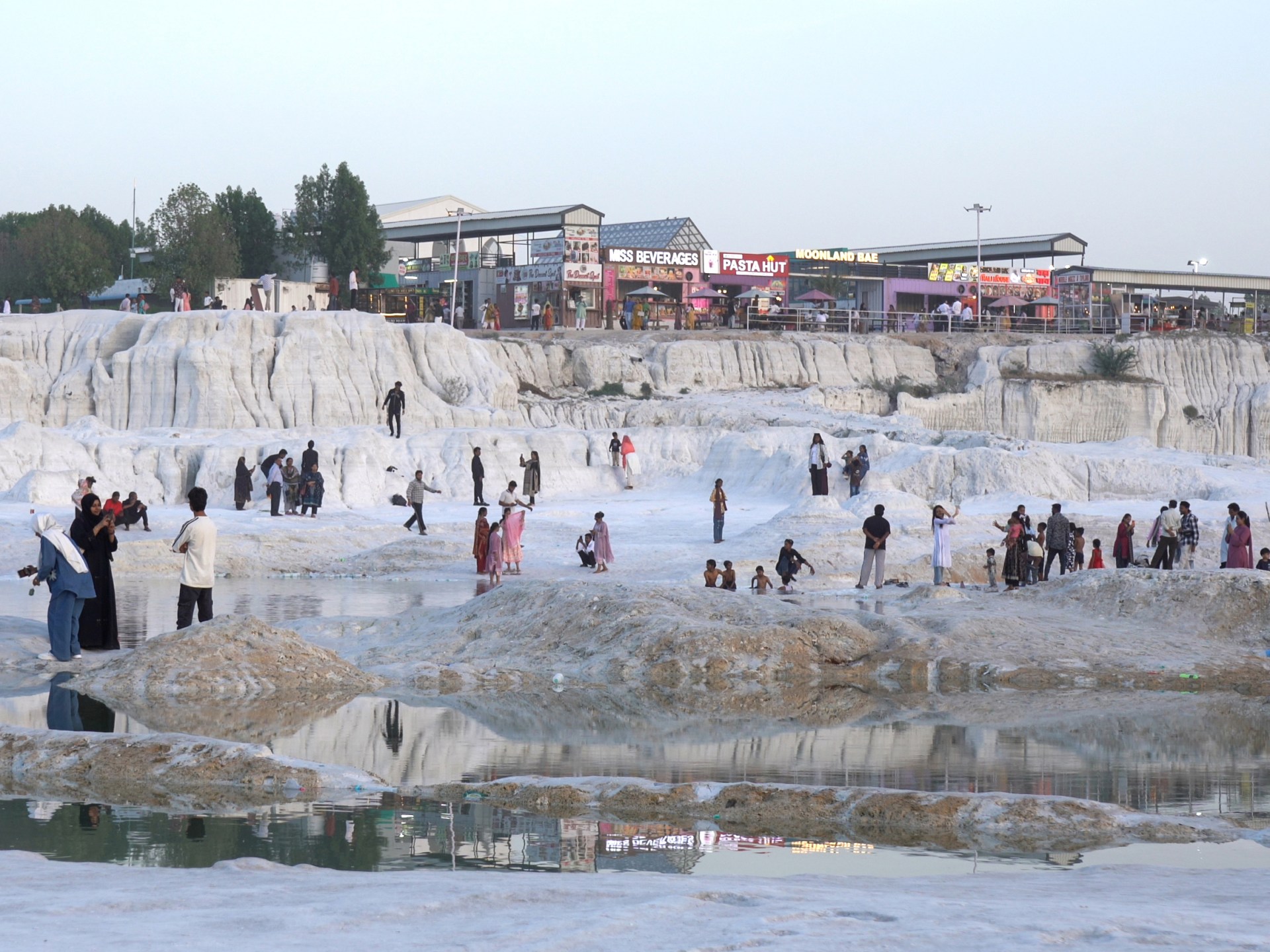
In the heart of Rajasthan's dusty terrain, mountains of white marble waste have created an unusual phenomenon that locals describe as resembling Kashmir's winter landscape. The site, generated by decades of marble processing operations, has emerged as an unexpected tourist destination, with visitors traveling to photograph and explore the striking white expanse that stands in sharp contrast to the surrounding arid environment.
The transformation of the industrial dump into a tourist spot reflects both the region's creative adaptation and its commercial appeal. Hundreds of tourists visit daily to capture images of the marble yard, drawn by its surreal appearance and novelty value. Local entrepreneurs have capitalised on the trend, with informal tourism services and vendors establishing operations around the site.
However, the popularity masks significant risks for surrounding communities. Residents in adjacent areas face substantial health hazards from marble dust exposure and water contamination resulting from the waste site. Studies have documented the harmful effects of prolonged exposure to fine marble particles on respiratory health and the potential environmental degradation of groundwater sources.
The marble yard exemplifies the tension between economic opportunity and public health in regions dependent on extractive industries. While officials and business interests promote the site's tourism potential, environmental and health advocates have called for proper waste management protocols and protective measures for affected communities. The situation underscores ongoing challenges in balancing development, resource extraction, and resident welfare across India's industrial regions.