World · India Bureau
Rajiv Gandhi's Ram Mandir gambit failed to counter BJP's rise
Historical analysis reveals how former Prime Minister Rajiv Gandhi's attempt to neutralize the BJP's Hindu nationalist agenda through Ram Mandir politics ultimately backfired, hastening the party's electoral decline in the late 1980s.
LSN India ·
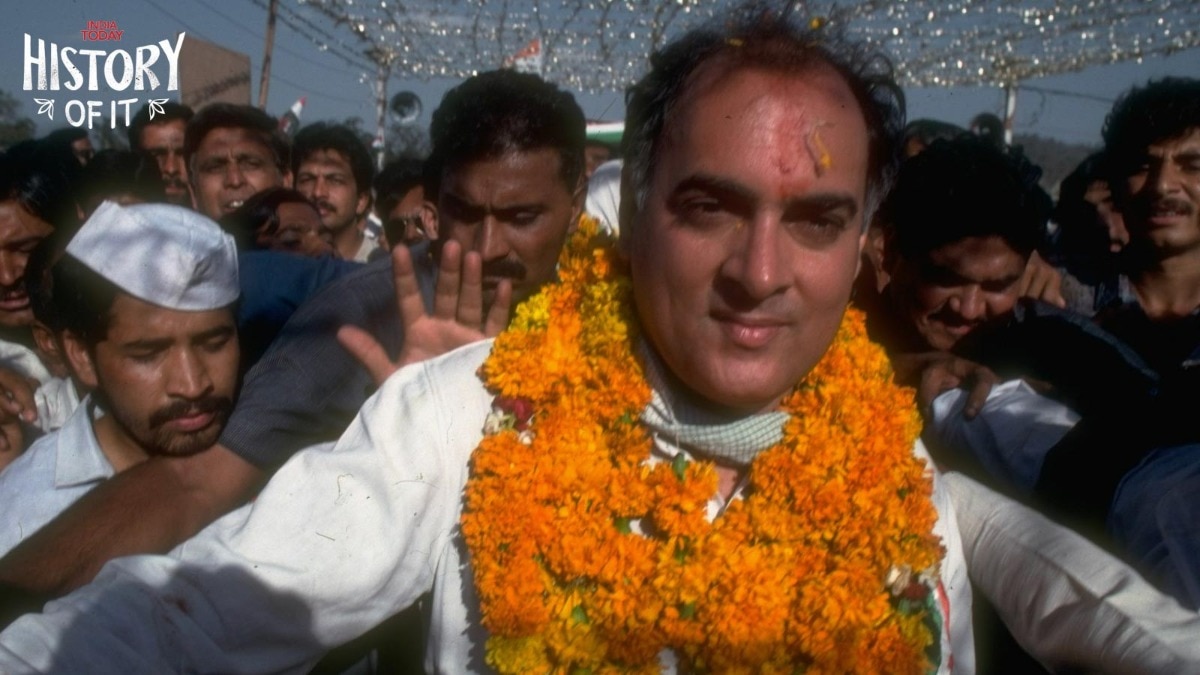
In a significant political miscalculation during the late 1980s, Prime Minister Rajiv Gandhi sought to blunt the rising influence of the Bharatiya Janata Party by adopting positions on the Ram Mandir issue. Rather than establishing Congress dominance over Hindu nationalist politics, the strategy proved counterproductive, undermining his government's secular credentials without gaining electoral advantage.
Gandhi's government opened the locks to the disputed Ayodhya site in 1986, a decision intended to preempt BJP mobilization around the temple construction issue. The move was calculated to demonstrate Congress competence in addressing Hindu sentiments while maintaining the party's centrist positioning. However, the tactical maneuver alienated secular constituencies and Muslim voters without convincing Hindu nationalist voters that Congress could authentically represent their interests.
The 1989 general elections delivered a decisive rebuke to Gandhi's approach. Congress's vote share declined significantly as the party hemorrhaged support from both its secular base and Hindu-leaning voters who increasingly viewed the BJP as the more credible voice on cultural nationalism. Meanwhile, the BJP's support continued its upward trajectory, validating its consistent positioning on the issue throughout the decade.
Political analysts attribute the failure to Congress's fundamental strategic weakness: attempting to outbid rivals on issues where they lacked authentic grassroots networks or ideological consistency. The miscalculation accelerated Congress's long-term decline and demonstrated the BJP's growing dominance in setting India's political agenda on majoritarian issues.