Business · India Bureau
Rapid elephant transfers to Tamil Nadu temples expose regulatory gaps
The swift relocation of five elephants from Assam to Tamil Nadu temples has triggered scrutiny over animal transfer protocols and whether existing regulations can prevent illicit pachyderm trade. Experts point to significant loopholes in the framework governing how temples acquire elephants in the state.
LSN India ·
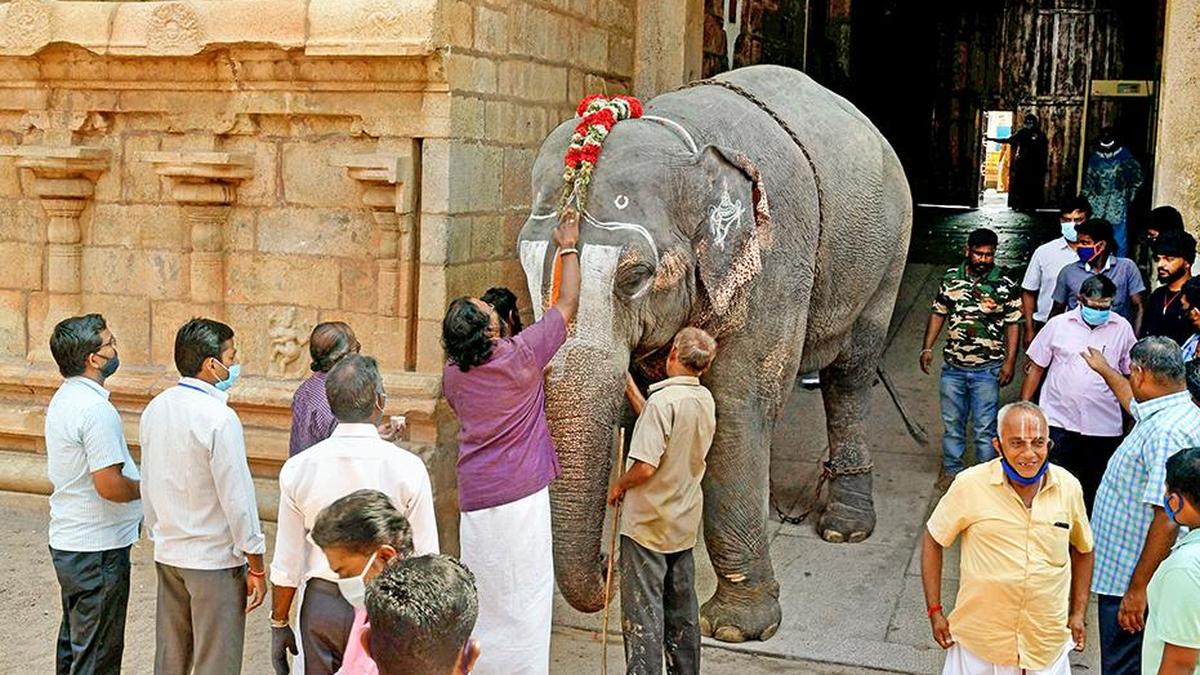
The hurried movement of five elephants from Assam to temples across Tamil Nadu has raised red flags among animal welfare advocates and regulatory observers, who question whether the transfer adhered to proper procedures or exploited gaps in existing oversight mechanisms.
Temples across Tamil Nadu have long maintained elephants for religious ceremonies and rituals, creating sustained demand that has made the animals valuable commodities. The process of acquiring elephants for temple use involves multiple stakeholders and regulatory bodies, yet observers contend the system remains vulnerable to misuse and circumvention of animal welfare standards.
Critical gaps exist in how the state monitors and approves elephant transfers, according to animal rights experts. The rules governing documentation, health certification, and verification of an animal's previous ownership are insufficiently robust to prevent improper transactions, they argue. This creates conditions where pachyderms can be moved between states with minimal scrutiny of their backgrounds or welfare requirements.
The rapid transit of the five Assam elephants underscores how the demand for temple elephants in Tamil Nadu continues to drive acquisitions that may not withstand close examination. Wildlife officials and administrators face pressure to balance religious and cultural practices with animal welfare concerns and regulatory compliance, a tension that existing protocols have not adequately resolved.
Stakeholders including temple authorities, state wildlife departments, and animal protection organizations now face calls to strengthen verification procedures, enhance transparency in elephant transfers, and close loopholes that enable questionable acquisitions to proceed without proper accountability.