World · India Bureau
Rare 2,100-year-old Roman shipwreck discovered off Turkish coast
Marine archaeologists have uncovered an ancient vessel near Adrasan, Turkey, laden with thousands of ceramic tableware pieces from a renowned pottery centre. The discovery provides rare insights into Roman-era trade networks and manufacturing practices.
LSN India ·
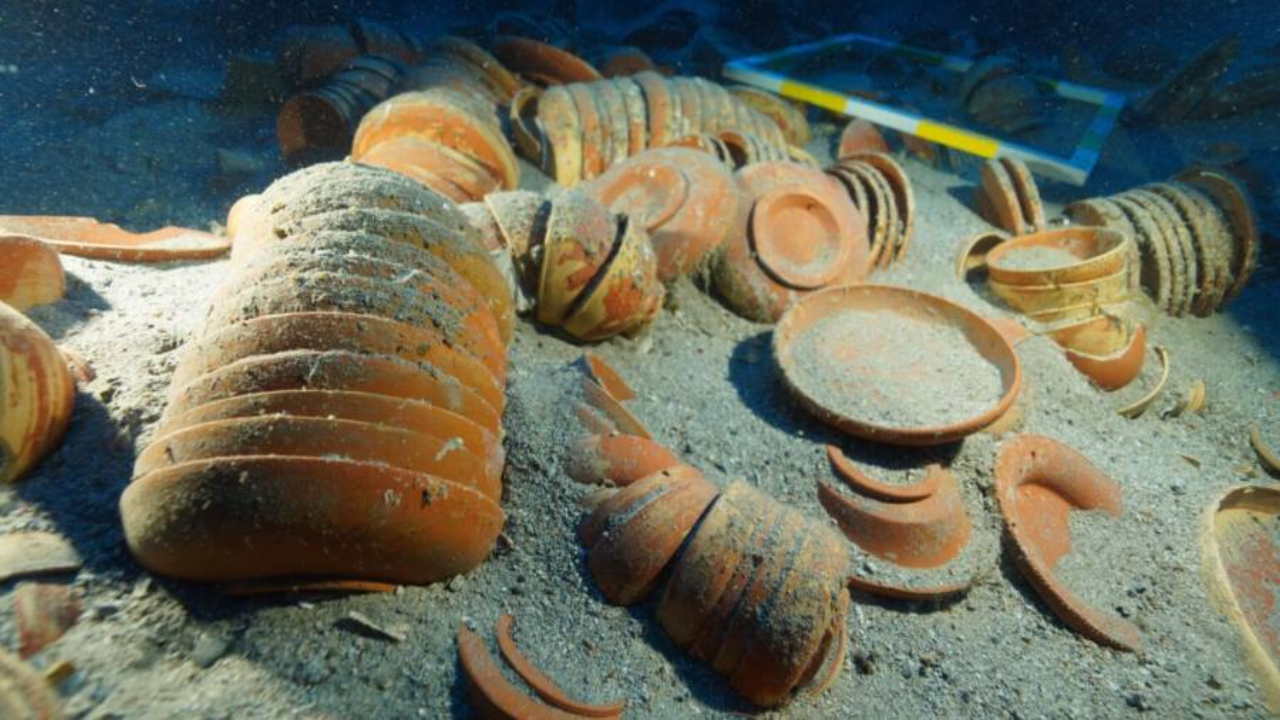
A submerged shipwreck dating back approximately 2,100 years has been discovered in waters off Adrasan on Turkey's southern coast, offering archaeologists an exceptional window into ancient maritime commerce and ceramic production.
The vessel's cargo consists of thousands of ceramic tableware fragments representing 122 distinct types, suggesting the ship was transporting goods from Rhosus, a major pottery production centre during the Late Hellenistic and Early Roman periods. The homogeneous nature of the cargo indicates this was likely a merchant vessel specialising in the distribution of tableware throughout the Mediterranean region.
Marine archaeologists have carefully documented the recovered ceramics, examining their forms, decorative patterns and manufacturing techniques. The assemblage reveals sophisticated packing methods employed by ancient traders to protect fragile goods during sea voyages, as well as standardised production practices at the source workshop.
The discovery underscores the historical importance of Rhosus as a commercial hub for pottery manufacture and export during antiquity. Such wreck sites provide invaluable archaeological data that cannot be obtained through terrestrial excavation alone, allowing researchers to reconstruct trade routes, economic relationships and daily life in the ancient world.
The findings contribute to growing scholarly understanding of ceramic distribution networks across the Mediterranean and the substantial commercial activity that characterised Roman-era maritime trade.