World · India Bureau
Rare Bangka slow loris rediscovered after 90 years in Indonesia
Scientists have located over 90 specimens of the Bangka slow loris in Indonesia, ending nearly a century-long absence of the critically endangered primate. The discovery offers renewed hope for a species long feared extinct.
LSN India ·
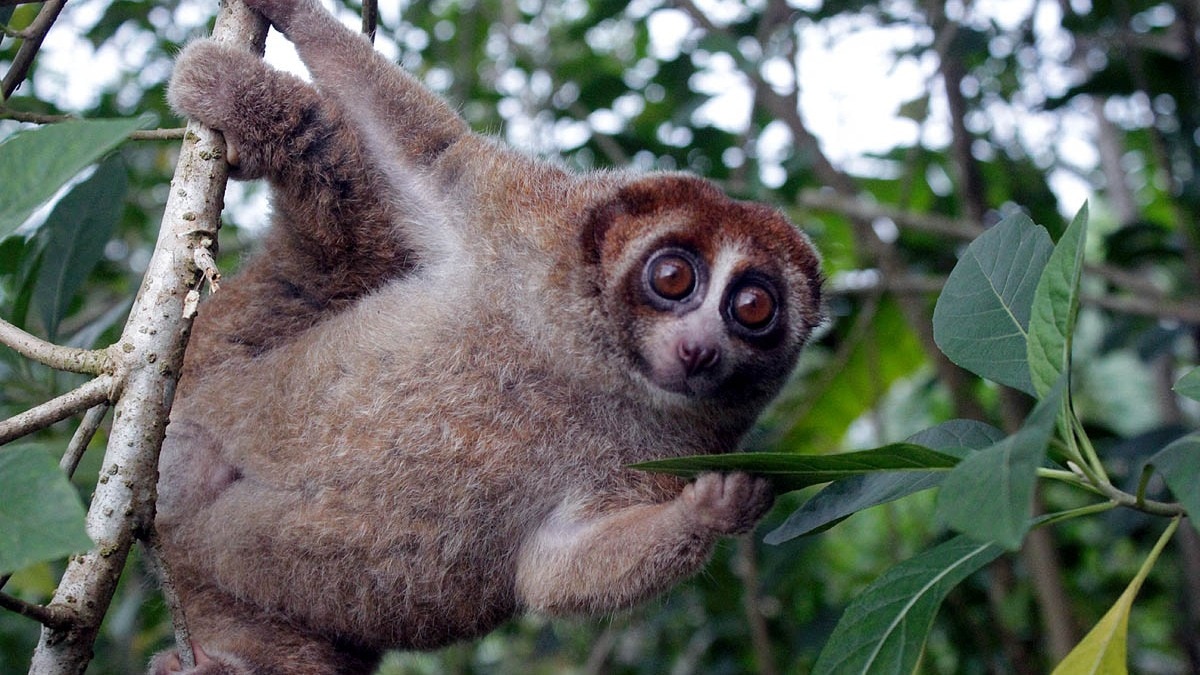
The Bangka slow loris, a diminutive primate thought to have vanished around 90 years ago, has been rediscovered in Indonesia in numbers that have surprised conservation experts. More than 90 individuals of the rare species were found during recent surveys, marking a significant breakthrough in efforts to protect one of Asia's most elusive mammals.
The species is distinguished by several unusual characteristics, including disproportionately large eyes adapted for nocturnal vision, an exceptionally slow and deliberate movement pattern, and the capacity to produce venom—a trait rare among primates. These features have long made the Bangka slow loris a subject of scientific fascination.
The extended absence of confirmed sightings had led researchers to classify the animal as critically endangered and presumed nearly extinct. The rediscovery addresses questions that have persisted throughout the scientific community regarding the species' survival status and population viability.
The findings are expected to inform conservation strategies for the species going forward. Experts emphasize that protecting the Bangka slow loris will require sustained habitat preservation and efforts to combat the illegal wildlife trade that has historically threatened the species.