World · India Bureau
Rare celestial alignment to bring prosperity during 2026 Navratri festival
A century-long astronomical gap will close during this year's Sharadiya Navratri as Jupiter and the Moon align to form an auspicious conjunction. Vedic astrology suggests seven zodiac signs will experience significant fortune during the nine-day festival beginning October 11, 2026.
LSN India ·
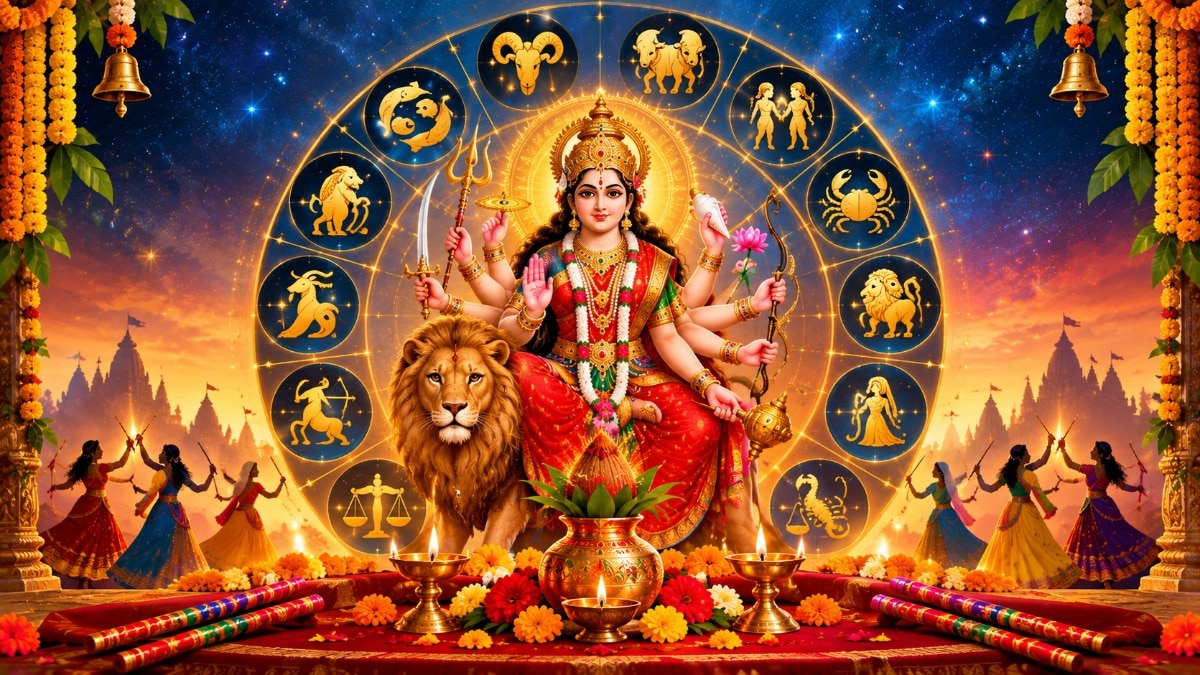
Sharadiya Navratri 2026 is set to be particularly auspicious this year, according to traditional Hindu astronomical calculations. Beginning October 11, the nine-day festival will witness a rare celestial event—the formation of 'Gajakesari Rajyog,' a significant planetary conjunction that last occurred approximately a century ago. The alignment occurs as Jupiter and the Moon converge during the Navratri period, creating configurations considered highly favorable in Vedic astrology.
The Gajakesari Rajyog is traditionally believed to enhance prosperity, fortune, and auspiciousness across multiple life domains. According to Hindu astrological principles, this conjunction is thought to amplify the spiritual energy of Navratri, one of the most significant festivals in the Hindu calendar. Astrologers suggest the alignment's influence will be particularly pronounced for individuals born under seven specific zodiac signs.
Those seven zodiac signs are expected to experience heightened favorable conditions during the festival period, potentially resulting in improved financial circumstances, career advancement, and personal growth. The convergence of religious observance with this rare astronomical event has generated considerable interest among devotees and astrology enthusiasts across India.
While such predictions remain based on traditional astrological interpretations rather than scientific validation, the rarity of the occurrence—happening once per century—has made 2026 Navratri a significant date in many Hindu households' calendars. Devotees planning their festival observances are taking particular note of the celestial event's timing.