World · Malaysia Bureau
Rare earth export curbs could boost Malaysia's value chain, experts say
Malaysia could retain greater economic value domestically through restricting rare earth element exports, though industry observers warn that processing capacity and enforcement mechanisms must be substantially strengthened.
LSN Malaysia ·
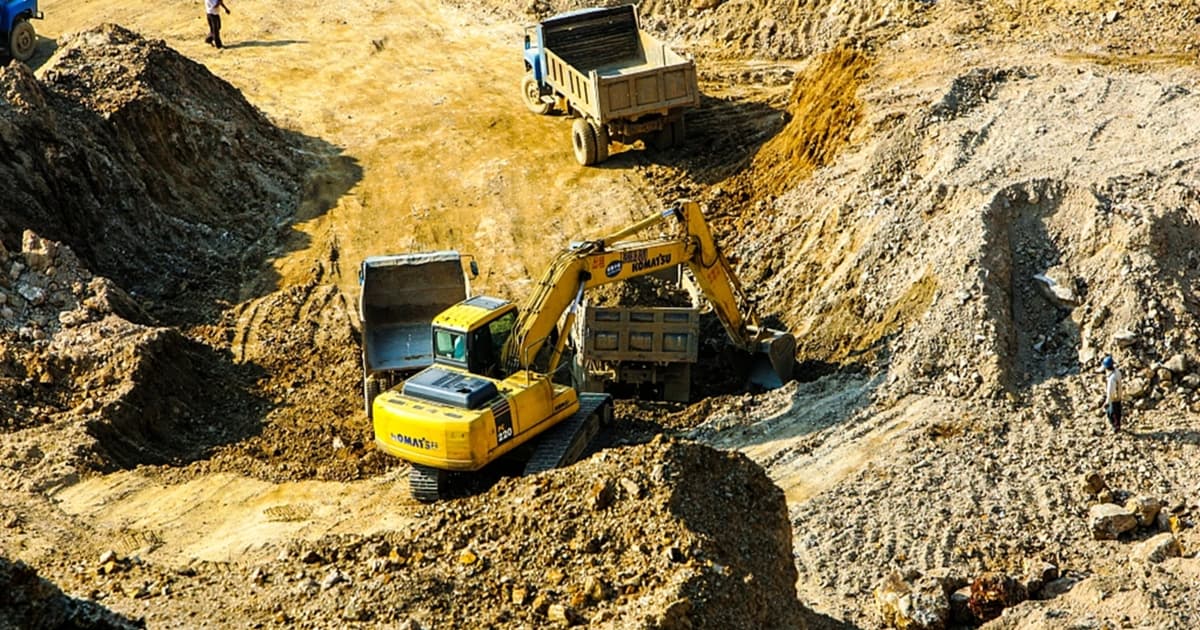
Restricting exports of rare earth elements (REEs) presents an opportunity for Malaysia to move up the manufacturing value chain and capture more economic benefits from its natural resources, according to industry analysts and policy experts.
The strategy of limiting raw REE exports while developing downstream processing capabilities could enable Malaysia to transition from a commodity supplier to a higher-value-added producer, keeping more profits within the country rather than seeing raw materials exported for processing elsewhere in the region.
However, experts caution that any such export controls would require significant groundwork before implementation. Malaysia's rare earth processing infrastructure remains limited compared to international competitors, with existing facilities operating below optimal capacity in many cases. The country would need substantial investment in refining and manufacturing capabilities to capitalize on restricted exports.
Beyond infrastructure, successful enforcement of export restrictions demands robust regulatory frameworks and monitoring systems. Officials would need to prevent illegal smuggling and ensure compliance across the supply chain, a challenge that has plagued resource-rich countries attempting similar policies.
Industry observers note that any transition toward value-added REE production must be carefully sequenced, with domestic processing capacity developed in parallel with, or ahead of, export restrictions to avoid economic disruption and ensure the policy achieves its intended outcome.