World · India Bureau
Rare marsh grasshoppers return to English wetlands after 86-year absence
Conservation efforts in Norfolk have successfully reintroduced large marsh grasshoppers to the Broads region, marking the species' first breeding in the area since 1939. The ambitious restoration project involved captive breeding and habitat rehabilitation across wetland areas.
LSN India ·
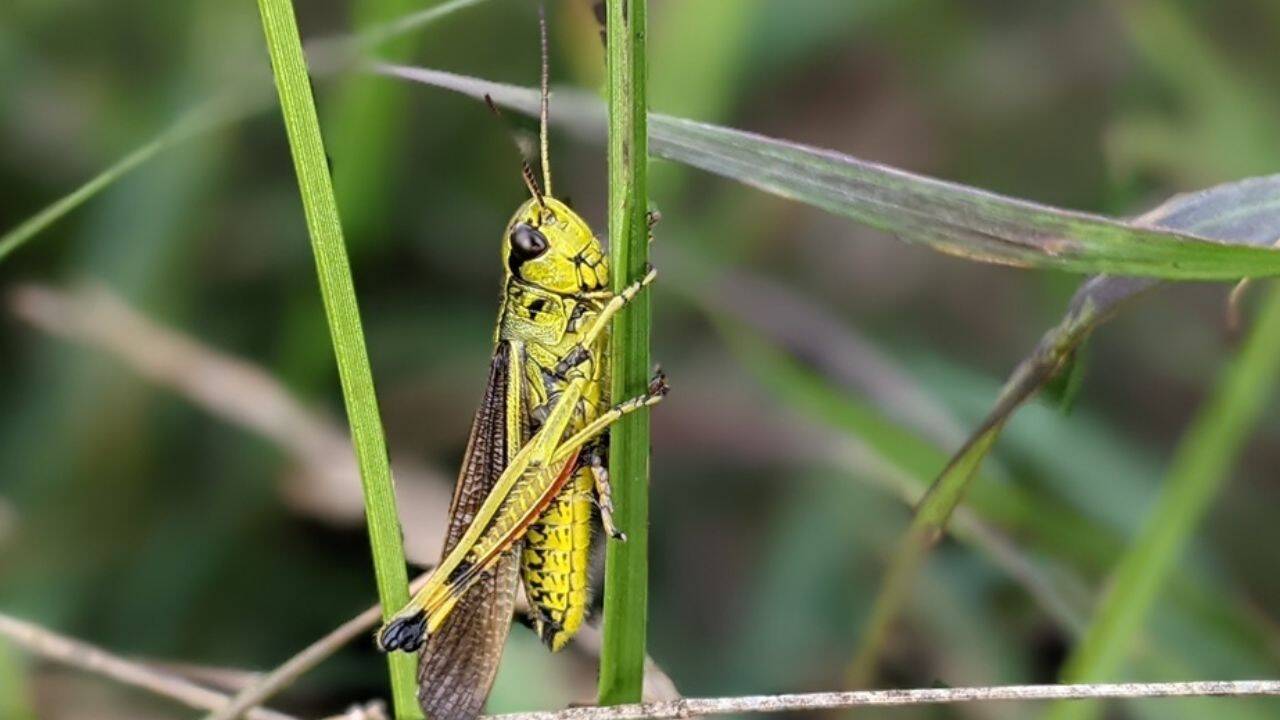
Thousands of large marsh grasshoppers have been released into Norfolk's Broads region as part of a major species recovery programme, ending an 86-year absence from the English wetlands. The reintroduction marks a significant milestone in British conservation, with grasshoppers hatching in restored habitat for the first time since 1939, when the species last bred naturally in the area.
The project involved raising grasshoppers in controlled conditions before releasing them into carefully restored wetland zones. Conservation teams worked to recreate suitable breeding environments within the Broads, focusing on areas that match the ecological requirements of the species. The initiative represents a collaborative effort drawing on expertise and resources from multiple conservation organisations.
Large marsh grasshoppers are among Britain's rarest insects, declining dramatically over the past century due to habitat loss and wetland degradation. The Broads, a network of shallow lakes and wetland areas in East Anglia, once provided ideal conditions for the species. The successful reintroduction demonstrates renewed commitment to reversing population declines in vulnerable native species.
The programme has received substantial funding and volunteer support, with ongoing monitoring planned to assess the long-term viability of the reintroduced population. Conservation experts view the project as a model for species recovery efforts in the region, with potential for similar initiatives targeting other rare wetland-dependent species.