World · India Bureau
Rat Eradication Boosts Native Tree Recovery on Pacific Atoll
An aggressive rodent control programme on Palmyra Atoll in the central Pacific has dramatically increased the survival and growth of native tree seedlings, offering a model for ecological restoration in island ecosystems across the region.
LSN India ·
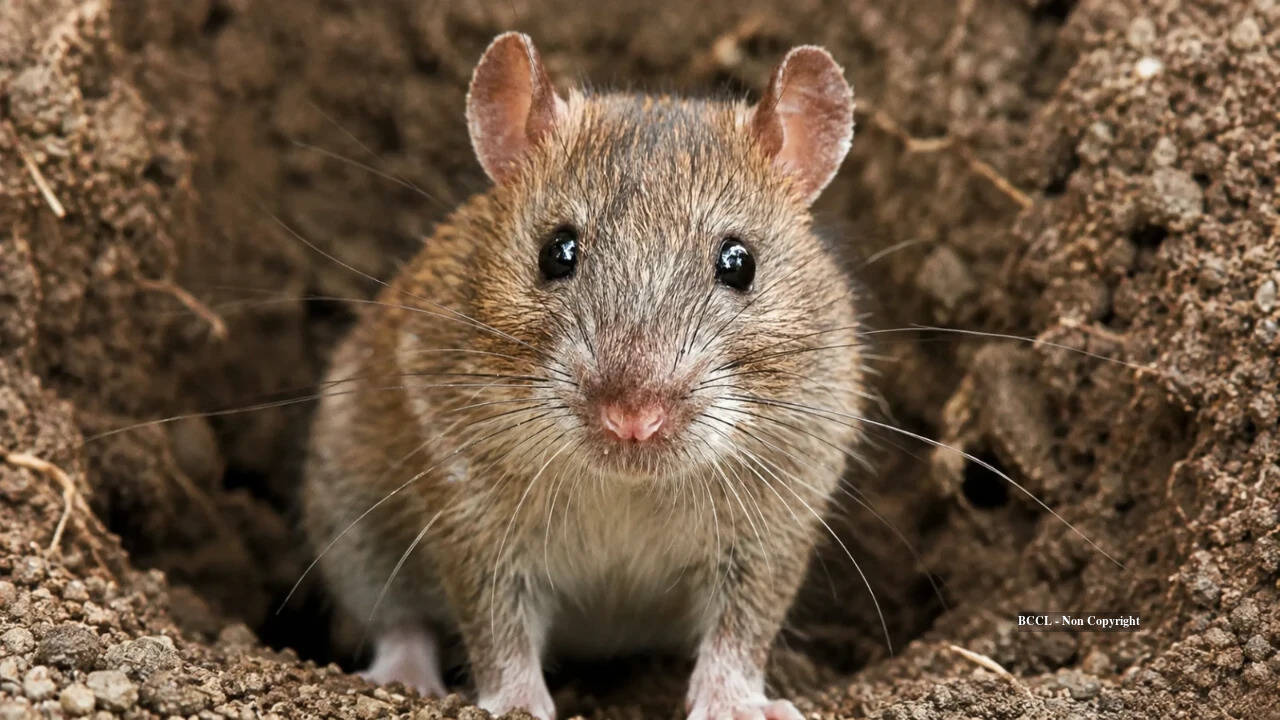
Scientists monitoring Palmyra Atoll have documented a significant surge in native tree seedling regeneration following the removal of invasive rat populations that had devastated the island's vegetation for decades. The rats, which arrived on the atoll through maritime trade centuries ago, had consumed seeds and seedlings, preventing natural forest regeneration and allowing invasive plant species to dominate the landscape.
The eradication programme, carried out by environmental teams working on the atoll, has created conditions favourable for endemic and native tree species to re-establish themselves. Researchers observed that seedling densities and survival rates increased markedly in areas where rat populations had been eliminated, demonstrating the outsized ecological impact of these invasive mammals on island biodiversity.
The restoration effort is particularly significant as Palmyra Atoll, located roughly midway between Hawaii and American Samoa, serves as a critical habitat for numerous Pacific species. The regeneration of native trees helps restore ecosystem functions including soil stabilisation, wildlife habitat provision, and carbon sequestration.
Conservationists view the Palmyra Atoll project as a replicable model for addressing ecological degradation across Pacific and Indian Ocean island territories. Many island ecosystems throughout South and Southeast Asia face similar challenges from invasive species, and the successful outcomes on Palmyra suggest that targeted rodent control can effectively restore native vegetation with minimal additional intervention.