World · World News Bureau
Ratko Mladic's Legacy Divides Balkans as Serbs Honor Convicted War Criminal
Hundreds of Bosnian Serbs gathered to commemorate former military commander Ratko Mladic, whose conviction for war crimes and crimes against humanity continues to spark fierce debate across the region. The gatherings underscore the deep historical divisions that persist in the post-conflict Balkans.
LSN World News ·
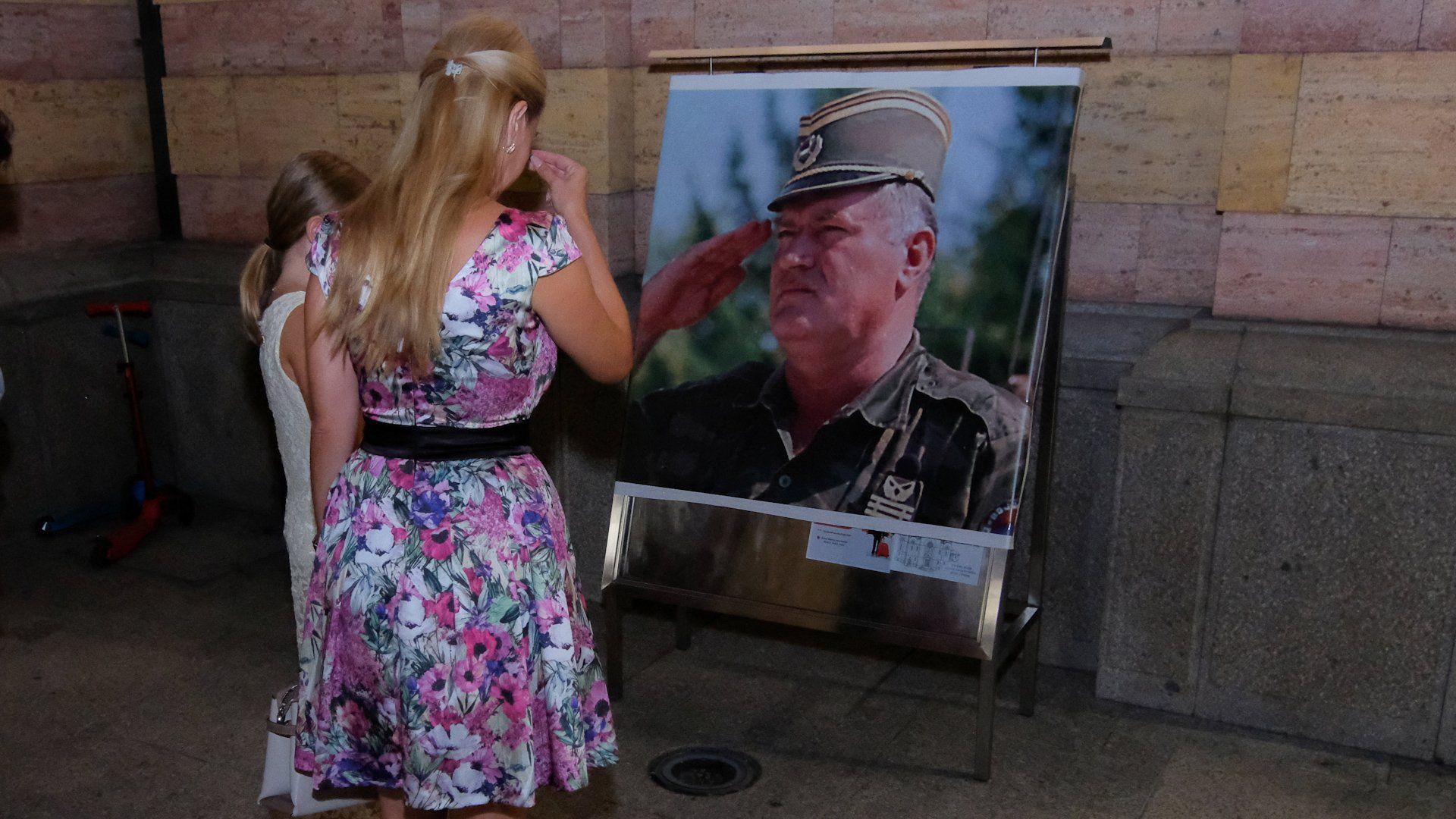
Ratko Mladic, the former commander of Bosnian Serb forces during the 1990s conflict, remains a polarizing figure more than two decades after his 2017 conviction by the International Criminal Tribunal for the former Yugoslavia. While the tribunal found him guilty of orchestrating some of Europe's gravest atrocities since World War II, supporters in Serbia and Bosnia's Serb-majority regions continue to view him as a national symbol.
The tributes to Mladic reflect a broader pattern of contested memory in the Balkans, where interpretations of the 1992-1995 war remain sharply divided along ethnic lines. In Serb communities, gatherings honoring Mladic frame him as a military leader defending Serbian interests, a narrative that stands in stark contrast to international jurisprudence and accounts from victims' families.
Mladic's conviction centered on his role in the Srebrenica massacre, in which approximately 8,000 Bosniak Muslims were killed, along with broader campaigns of ethnic cleansing. Despite his imprisonment following the tribunal's verdict, efforts to commemorate him persist, highlighting the challenges facing post-conflict reconciliation in the region.
The persistence of such divisions underscores ongoing tensions in Bosnia and Herzegovina, where competing historical narratives continue to shape political discourse and social cohesion nearly three decades after the war's end.