Business · India Bureau
Rayalaseema farmers dread bumper crops as infrastructure gaps worsen distress sales
Paradoxically, abundant harvests pose greater risks than droughts for farmers in Rayalaseema, as inadequate cold storage and weak market linkages force them into exploitative distress sales. A proposed ₹1-lakh-crore horticulture development hub may offer a pathway to reverse this crisis.
LSN India ·
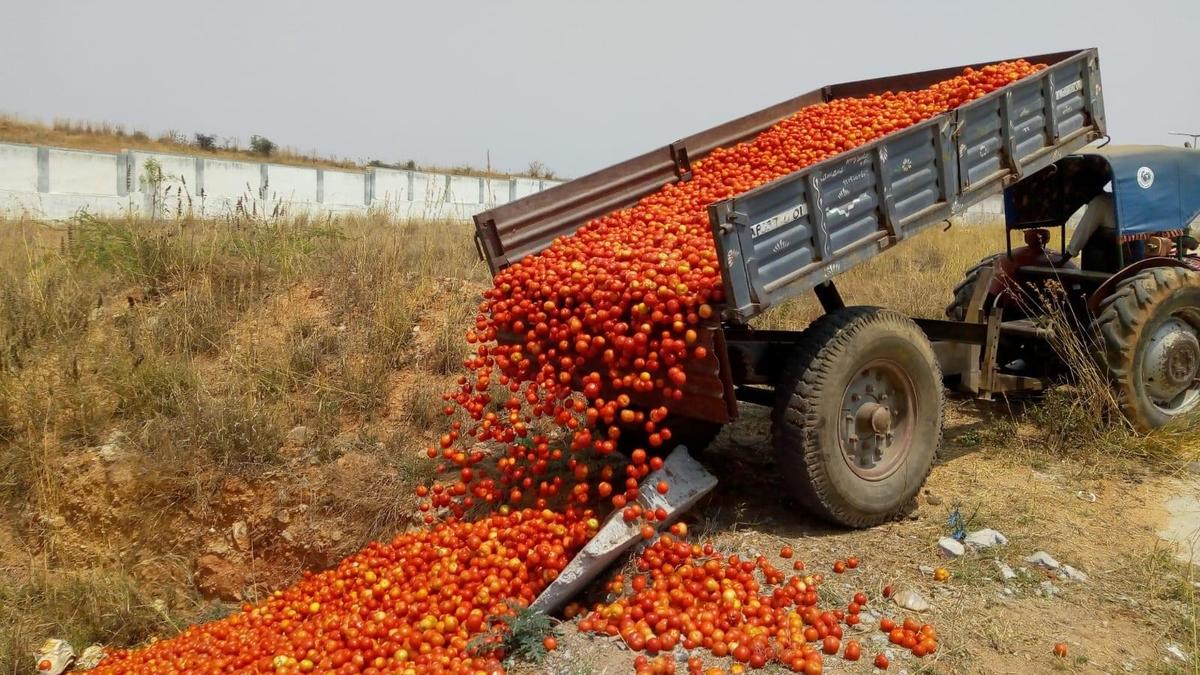
Farmers across Rayalaseema's agricultural heartland face an unexpected paradox: abundant harvests trigger greater financial distress than poor yields. The region's chronic shortage of cold storage infrastructure, combined with limited direct market access and middlemen exploitation, transforms bumper crops into economic disasters, forcing growers to sell at ruinous prices.
The phenomenon reflects deeper structural weaknesses in the horticulture supply chain. Without adequate post-harvest facilities, perishable produce deteriorates rapidly, leaving farmers with no option but to accept whatever rates local traders offer. This cycle of abundance-induced poverty has persisted despite the region's significant agricultural potential, with many farmers viewing large harvests with anxiety rather than optimism.
Recognizing these constraints, authorities have proposed developing Rayalaseema into a comprehensive horticulture hub with an estimated investment of ₹1 lakh crore. The initiative aims to establish modern cold chains, processing units, and direct market linkages that could insulate farmers from exploitative intermediaries and enable better price realization. Such infrastructure would transform the region's production advantages into sustainable income opportunities.
Implementation remains critical, however. Previous promises of agricultural modernization have yielded mixed results across South India. Success will depend on coordinated efforts to establish functional logistics networks, strengthen farmer collectives for collective marketing, and ensure transparent pricing mechanisms that reward productivity rather than penalizing it.