Business · India Bureau
RBI Chief Prioritises Economic Gains Over Central Bank Profits
Reserve Bank of India Governor Sanjay Malhotra has underscored that the central bank's primary focus is delivering broader economic benefits rather than generating surplus, amid scrutiny over currency swap operations and their associated costs.
LSN India ·
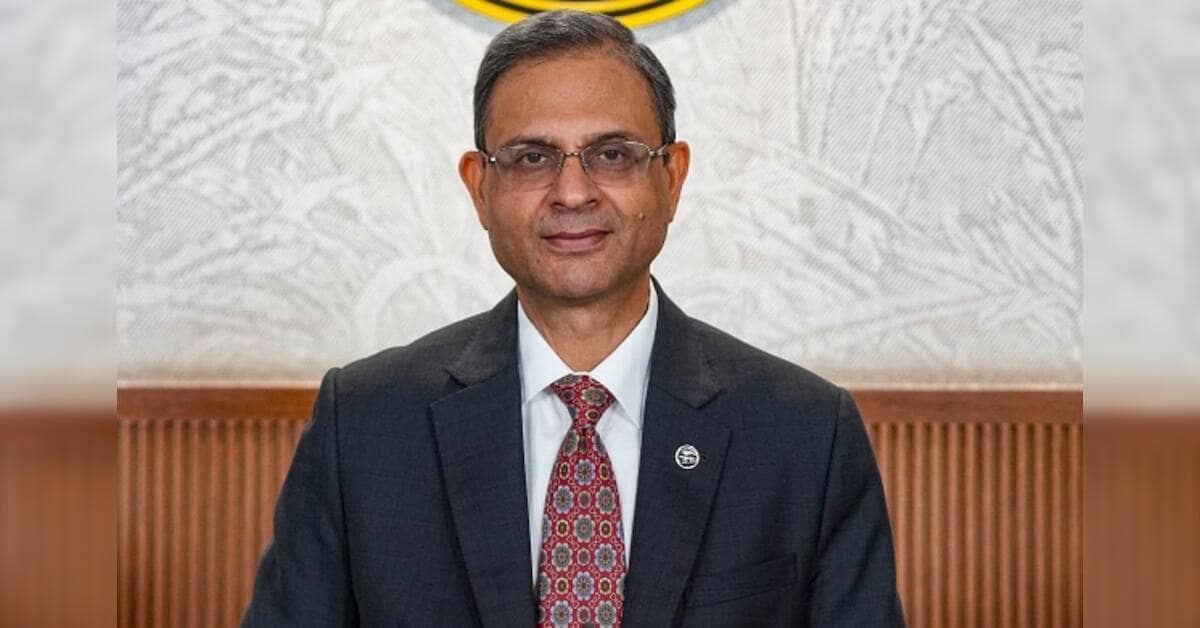
The RBI Governor's statement comes as questions loom over the financial implications of the central bank's recent swap operations and their impact on the institution's balance sheet. Malhotra clarified that profitability or surplus generation is merely incidental to the RBI's core mandate, which centres on supporting overall economic stability and growth.
The remarks reflect the RBI's broader policy orientation, where decisions are evaluated primarily through the lens of macroeconomic impact rather than institutional financial performance. This perspective is particularly relevant given the central bank's multiple responsibilities, including monetary policy formulation, financial system regulation, and foreign exchange management.
Currency swap operations, a key tool in the RBI's toolkit, have periodically drawn public and parliamentary attention regarding their costs. However, the Governor's statement suggests these operations are assessed based on their utility in maintaining liquidity, stabilising markets, and supporting economic objectives—not on whether they generate profits for the central bank.
Malhotra's comments align with global central banking practice, where institutions prioritise financial stability and economic welfare over balance sheet surpluses. The RBI's surplus earnings are transferred to the government as dividends, emphasising the subsidiary nature of profitability in central banking operations.
The Governor's clarification is expected to provide context for stakeholders monitoring the RBI's operational costs and their justification in pursuing monetary and financial stability objectives.