Politics · India Bureau
RBI embraces blockchain while maintaining crypto caution, Malhotra says
India will continue supporting distributed ledger technology and tokenisation while adopting a cautious stance on cryptocurrencies, Reserve Bank of India Governor Sanjay Malhotra said on Saturday. The RBI's measured approach reflects concerns about monetary sovereignty and capital flow implications.
LSN India ·
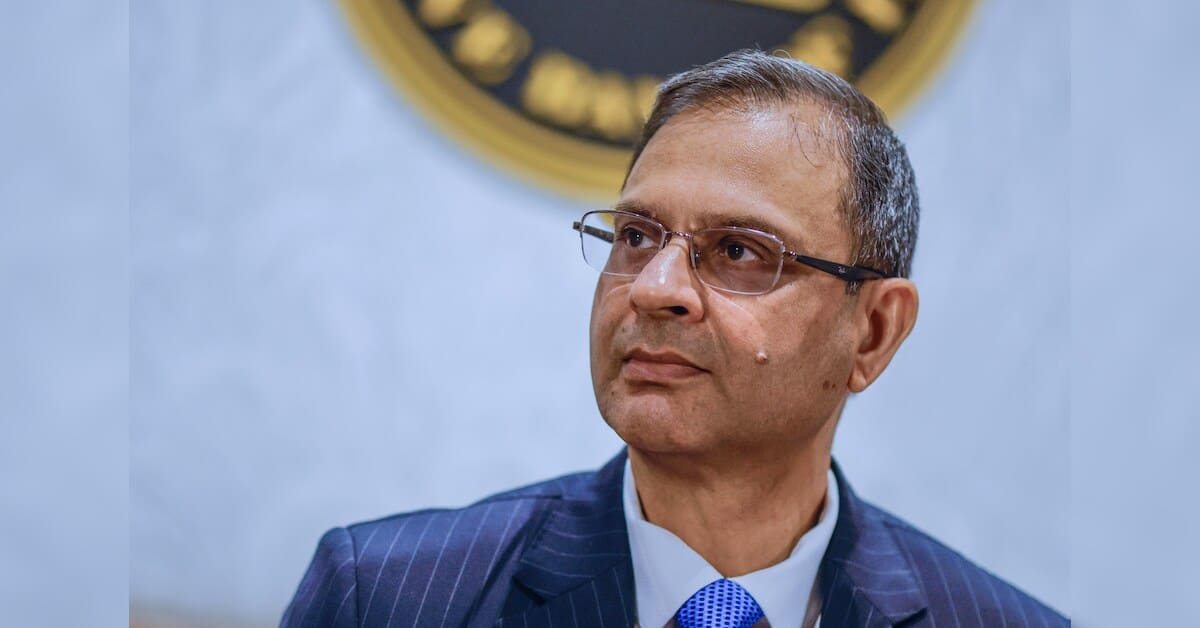
The RBI remains committed to exploring innovative technologies underlying digital assets while exercising restraint in the cryptocurrency space, Governor Malhotra said at the Kautilya Economic Conclave. India's dual-track strategy involves actively promoting blockchain, tokenisation and other foundational technologies through both internal RBI projects and public-private partnerships, while maintaining vigilance over crypto assets themselves.
Malhotra outlined the central bank's rationale for the cautious approach, citing concerns about the fundamental nature of cryptocurrencies and their potential to undermine monetary policy transmission mechanisms. The RBI's reservations focus on implications for monetary sovereignty and capital flow management, particularly acute challenges for emerging market economies like India that maintain restrictions on cross-border fund movements.
The distinction between supporting underlying technology and restricting cryptocurrency adoption reflects the RBI's nuanced position on digital innovation. While the central bank recognises the potential efficiency gains from distributed ledger systems and tokenisation, it prioritises protecting India's monetary policy autonomy and financial stability over embracing unregulated digital assets.
This balanced approach positions India as neither rejecting technological advancement nor abandoning safeguards necessary to protect its economic interests. The RBI's strategy suggests policymakers view blockchain innovation as compatible with regulatory oversight, even as they remain sceptical of decentralised cryptocurrencies operating beyond the banking system's supervision.