Business · India Bureau
RBI intensifies cyber security checks on banks' digital vulnerabilities
India's central bank is ramping up scrutiny of lenders' cybersecurity defences amid growing threats from artificial intelligence-driven attacks. The Reserve Bank of India has directed banks to conduct detailed audits of their application programming interfaces, which connect them to non-bank financial entities and fintech firms.
LSN India ·
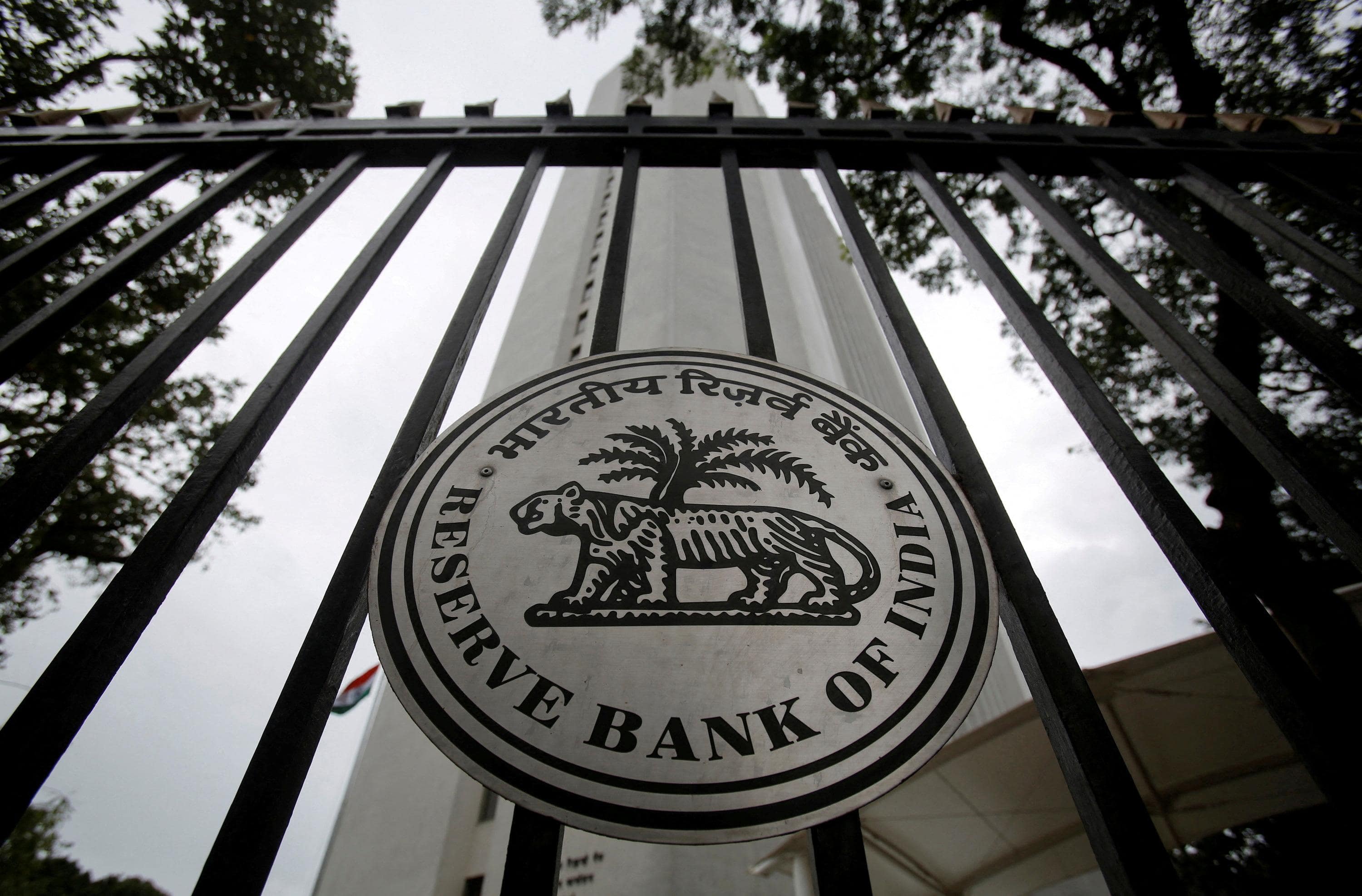
The Reserve Bank of India has launched a fresh drive to strengthen cyber resilience across the banking sector, focusing on potential vulnerabilities in the digital infrastructure that links traditional lenders with non-bank financial companies and fintech platforms. In a series of recent interactions with banking executives, the central bank has asked institutions to undertake comprehensive reviews of their application programming interfaces, or APIs—the software bridges that enable banks to share data and conduct transactions with external financial service providers.
The move reflects growing concerns within regulatory circles about the evolving nature of cyber threats, particularly those leveraging artificial intelligence capabilities. APIs have emerged as a critical security concern for financial institutions, as they create multiple entry points for potential attackers seeking to breach banking systems or compromise customer data.
The RBI's push comes as India's financial services sector faces increasingly sophisticated cyber attacks. The central bank has previously warned lenders about the risks posed by outdated security protocols and inadequate monitoring of third-party connections. By directing banks to scrutinize their API infrastructure, the regulator aims to identify and remediate weaknesses before they can be exploited.
Banks are expected to strengthen their security frameworks around these digital interfaces while maintaining the operational efficiency that fintech partnerships provide. The directive underscores the RBI's balancing act between promoting financial innovation through partnerships with non-traditional lenders and safeguarding the stability and integrity of the banking system.