Politics · India Bureau
RBI launches trio of surveys to track inflation and consumer sentiment
The Reserve Bank of India has initiated three major surveys to assess household inflation expectations and gauge consumer confidence, providing crucial data for the central bank's monetary policy decisions. The studies will cover major urban centres across the country.
LSN India ·
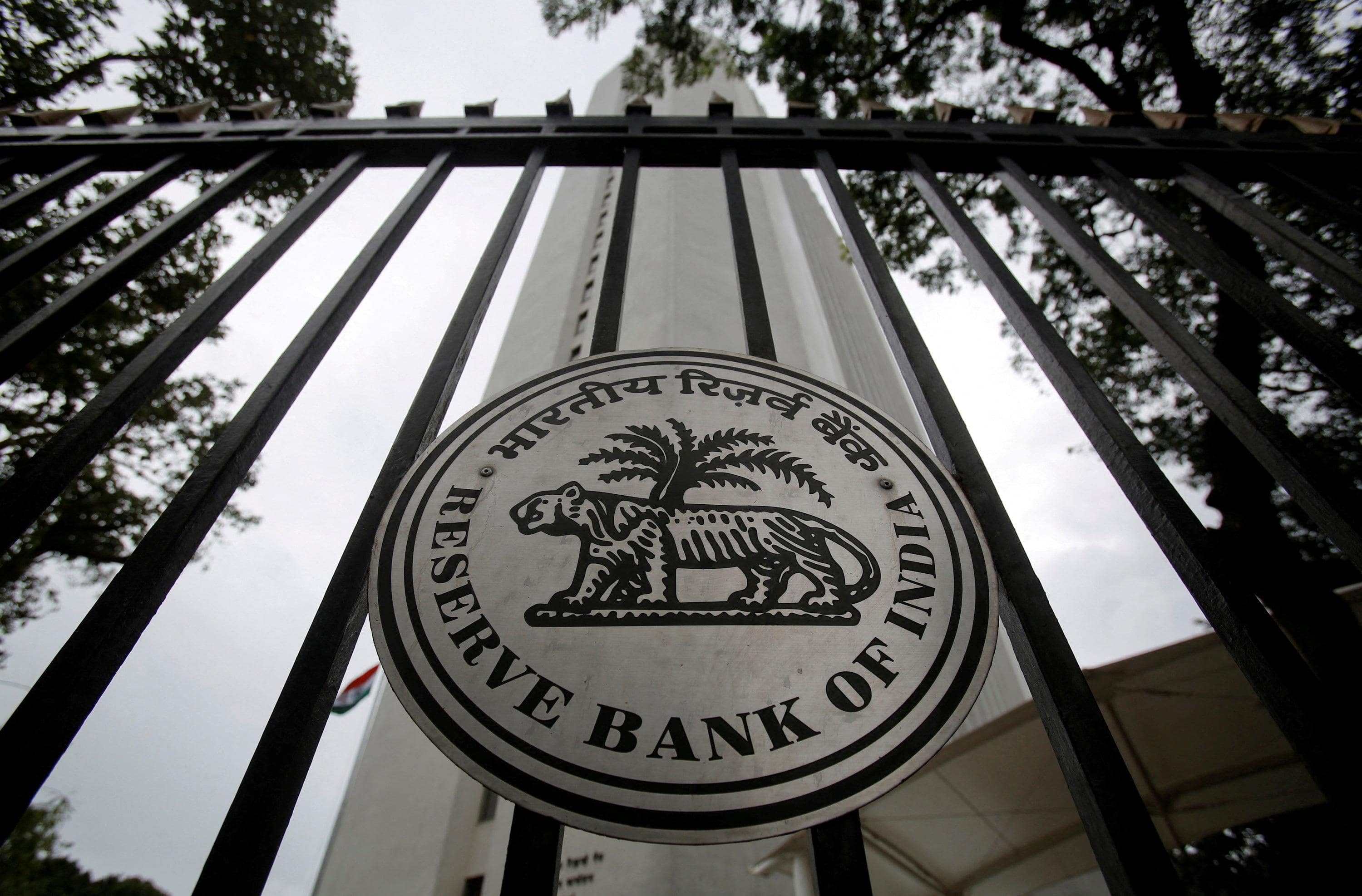
The Reserve Bank on Tuesday announced the launch of three key surveys designed to capture inflation expectations among households and measure consumer confidence—data points that inform the central bank's bi-monthly monetary policy stance.
The November 2026 round of the Inflation Expectations Survey of Households has been formally launched. According to the RBI, the survey will gather subjective assessments from households on price movements and inflation based on their individual consumption patterns and spending habits. The exercise will be conducted across 19 major cities including Mumbai, Delhi, Bengaluru, Kolkata, Chennai, Hyderabad, Ahmedabad, Pune, Bhopal, Chandigarh, Jaipur, Lucknow, Nagpur, Patna, Raipur, Ranchi, Bhubaneswar, Guwahati and Thiruvananthapuram.
In tandem, the RBI has also initiated its Urban Consumer Confidence Survey, which seeks qualitative responses from households regarding their sentiments on the broader economic situation, employment prospects and price movements. These consumer perception metrics serve as important barometers for economic health and household purchasing sentiment across urban India.
The three-pronged survey approach reflects the central bank's efforts to incorporate diverse data sources when calibrating monetary policy responses. By capturing both inflation expectations and consumer confidence levels, the RBI gains granular insights into how households perceive economic conditions and anticipate future price movements, information that complements traditional inflation metrics and economic indicators in policy formulation.