Business · India Bureau
RBI must monitor money supply growth amid inflation uncertainties
Monetary aggregates provide critical insight into India's inflation trajectory when traditional inflation expectations remain difficult to gauge. Policymakers cannot afford to overlook money supply trends in calibrating monetary policy.
LSN India ·
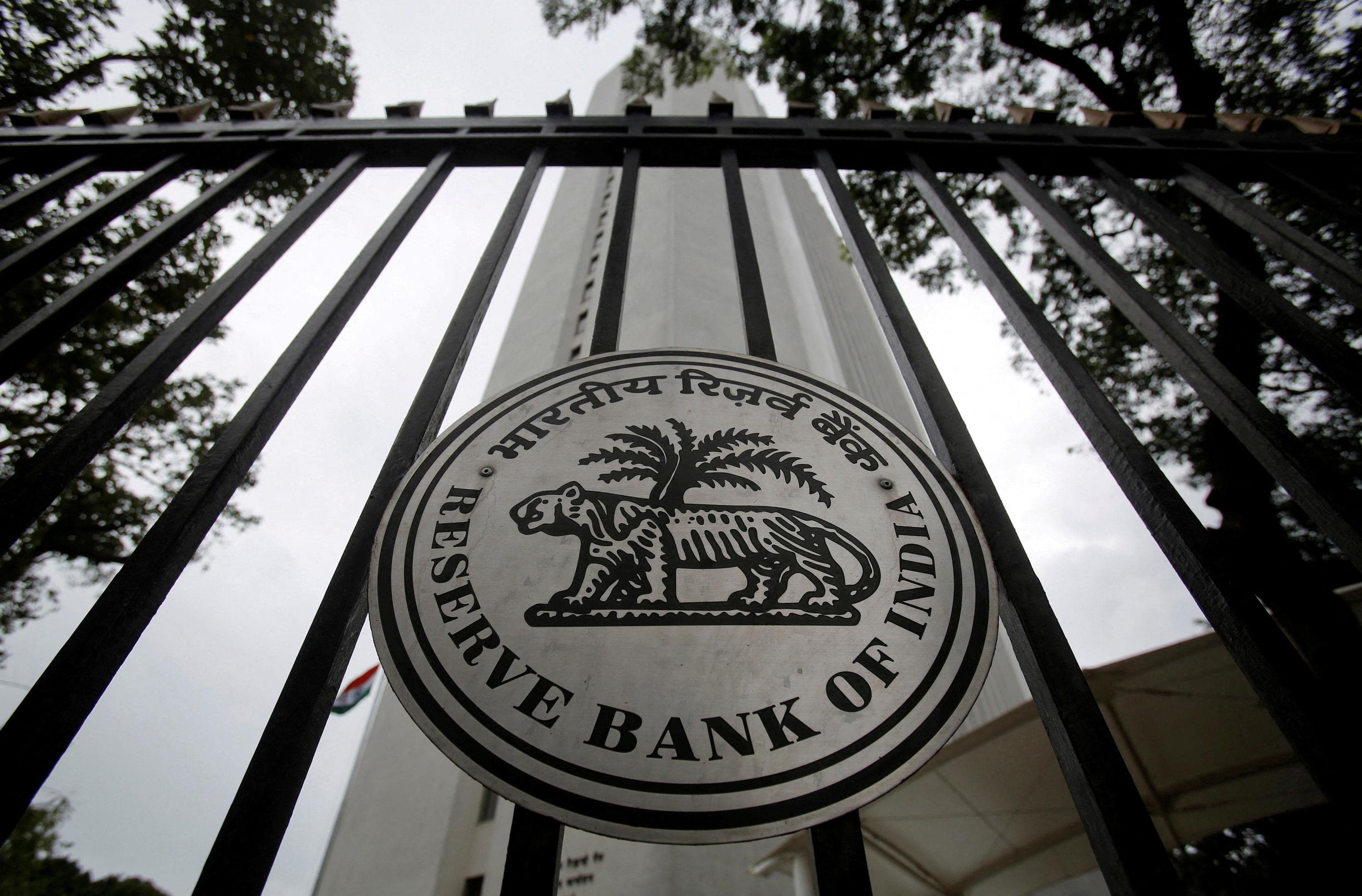
India's central bank faces a complex challenge in assessing price pressures as conventional measures of inflation expectations prove unreliable in the Indian context. With households and businesses offering limited predictive signals through traditional channels, monetary aggregates—including broad money supply and credit growth—emerge as an indispensable analytical tool for the Reserve Bank of India.
Money supply growth serves as a cross-check on inflation dynamics that official surveys and market-based indicators may miss. When inflation expectations cannot be precisely measured through standard approaches, the trajectory of monetary aggregates offers policymakers valuable additional perspective on underlying price pressures building through the financial system.
The RBI's monetary policy framework must therefore incorporate sustained attention to money growth patterns alongside its inflation targeting mandate. A holistic assessment combining price data, inflation expectations, and monetary aggregates enables more robust policy calibration. Neglecting money supply trends risks policy errors that could allow inflationary pressures to accumulate undetected.
As India's economy navigates persistent uncertainties around demand, supply shocks, and global commodity prices, the central bank's toolkit must remain comprehensive. Monitoring monetary aggregates provides an essential safeguard, ensuring that policy responses remain appropriately calibrated to underlying economic conditions even when inflation expectations remain opaque.