World · India Bureau
RBI raises rates as geopolitical tensions disrupt economic stability
The Reserve Bank of India has been forced to tighten monetary policy as external shocks, including Middle East tensions, threaten inflation and derail the benign economic conditions that had prevailed. The central bank's rate increase marks an end to the period of favorable growth and stable prices.
LSN India ·
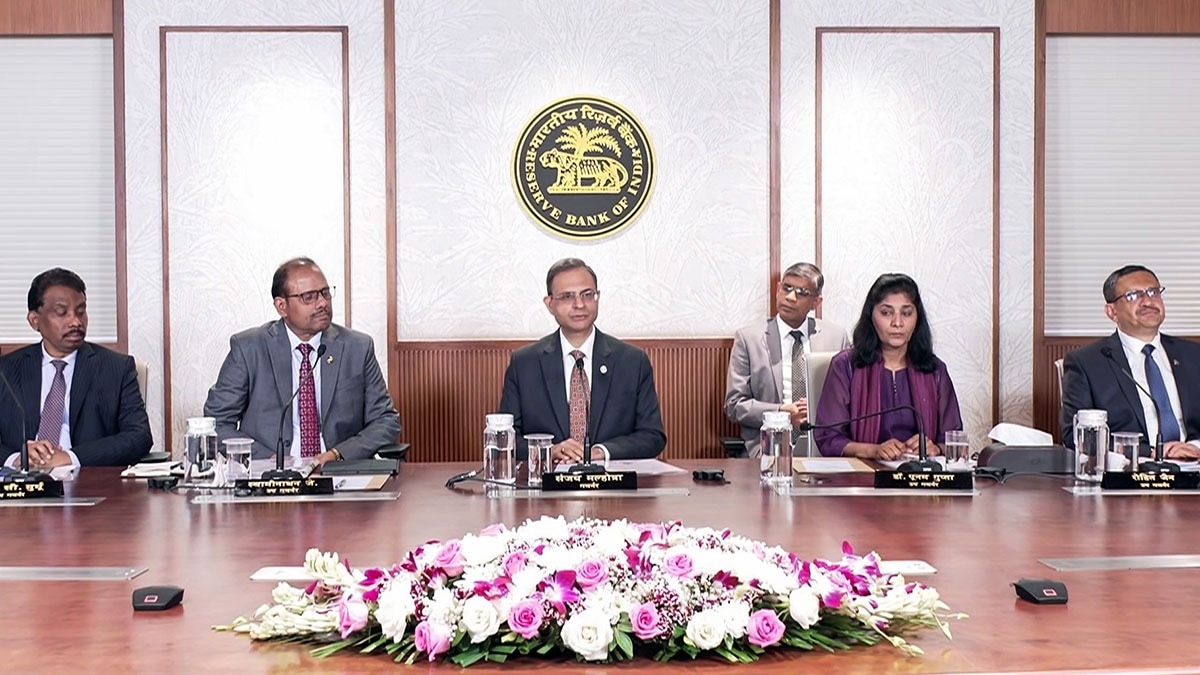
The Reserve Bank of India's decision to raise interest rates reflects a fundamental shift in the macroeconomic environment facing the Indian economy. The favorable conditions that had allowed for accommodative monetary policy—characterized by stable inflation and steady growth—have deteriorated significantly due to external pressures beyond the central bank's direct control.
Geopolitical tensions in the Hormuz region have emerged as a key driver of inflation concerns, particularly through their impact on global crude oil prices and shipping costs. As a net importer of energy, India remains vulnerable to supply-side shocks emanating from Middle East developments, which can quickly translate into higher domestic price pressures and erode the purchasing power of consumers.
The RBI's rate action signals a recognition that the "Goldilocks period"—when economic growth and inflation were both in optimal ranges—has ended. With external headwinds mounting and inflation risks intensifying, the central bank has determined that monetary tightening is necessary to anchor price expectations and prevent the economy from overheating.
The shift underscores the constraints faced by Indian policymakers, who must navigate between supporting growth and controlling inflation despite limited influence over global commodity prices and geopolitical developments. The rate increase is likely to be the first of several moves as the RBI seeks to restore balance to an increasingly volatile economic landscape.