World · India Bureau
RBI raises rates for first time in four years; EMI impact may be secondary concern
The Reserve Bank of India has ended a prolonged rate-cutting cycle with a policy rate increase, marking a significant shift in monetary stance. While higher borrowing costs will ripple through the economy, analysts warn of broader implications beyond individual loan repayments.
LSN India ·
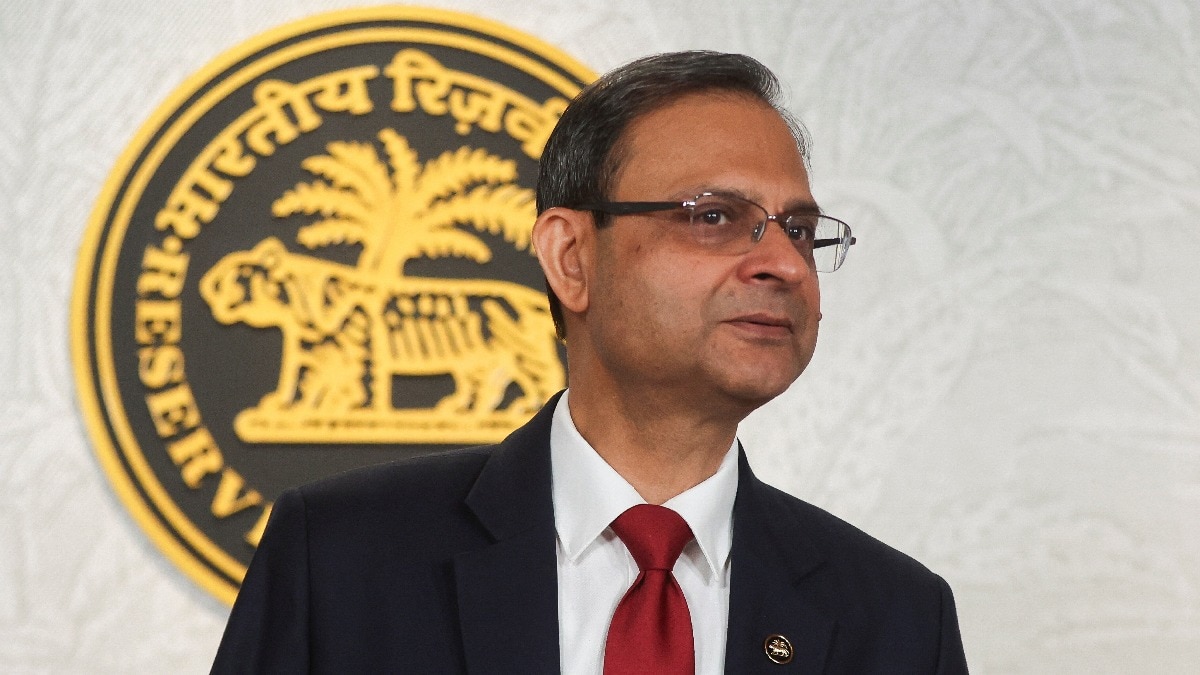
The Reserve Bank of India's decision to raise its repo rate represents a notable inflection point after nearly four years of accommodative monetary policy. The rate hike signals the central bank's assessment that inflationary pressures warrant a tightening of liquidity conditions across the financial system. This marks a departure from the prolonged easing cycle that began during the pandemic, reflecting evolving economic conditions and price stability concerns.
While borrowing costs will inevitably increase for consumers and businesses seeking fresh loans or refinancing existing debt, economists caution that the immediate impact on individual equated monthly instalments may not constitute the most pressing concern. The broader transmission of rate hikes through the economy encompasses effects on corporate profitability, investment sentiment, and overall credit growth that warrant equal attention from policymakers and stakeholders.
The central bank's decision reflects a delicate balancing act between containing inflation and supporting economic growth. As the rate hike cycle progresses, financial markets and industrial activity will face headwinds from higher capital costs. Banks are expected to gradually transmit the policy rate increase to customers, with the timing and magnitude of transmission varying across different loan categories and borrower profiles.
Market observers will closely monitor the trajectory of subsequent policy decisions and their cumulative impact on inflation metrics and growth indicators. The RBI's communications will be scrutinized for signals regarding the extent and duration of the tightening cycle ahead, as businesses and households adjust their financial planning to the new monetary environment.