Politics · India Bureau
RBI raises rates, signalling shift to tightening cycle amid inflation concerns
The Reserve Bank of India's monetary policy committee has raised the repo rate by 25 basis points to 5.5 per cent and pivoted toward calibrated tightening, setting the stage for higher borrowing costs across the economy.
LSN India ·
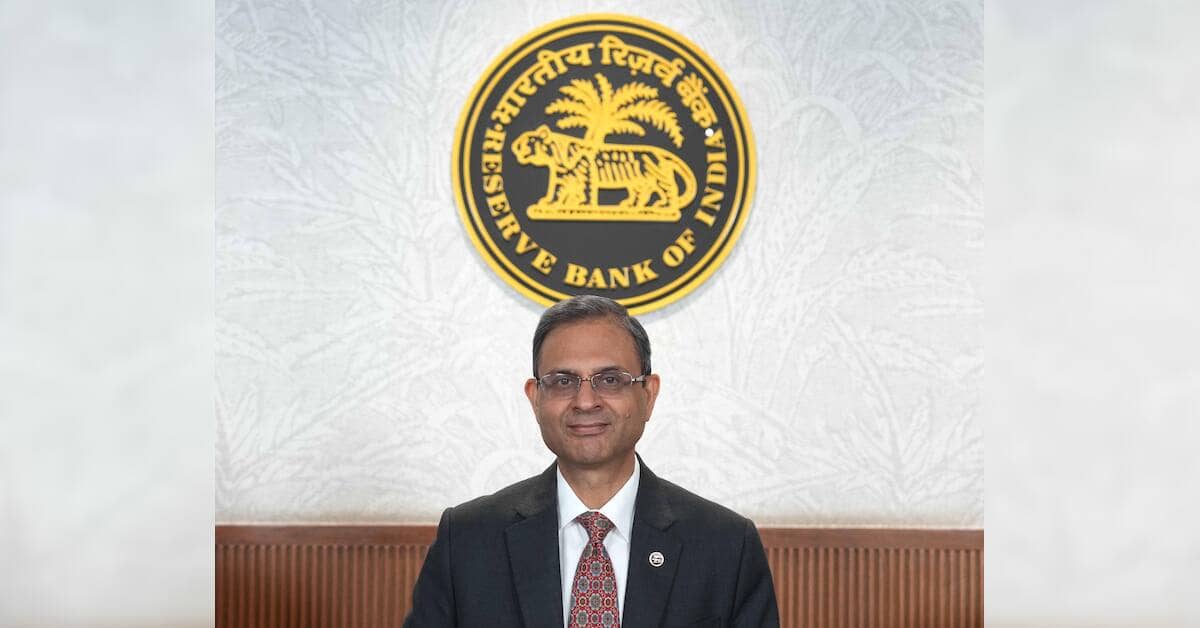
The RBI's rate decision marks a significant shift in its policy stance as the central bank moves away from its accommodative posture to address persistent inflation pressures. The 25 basis point increase brings the repo rate—the benchmark lending rate—to 5.5 per cent, the rate at which banks borrow from the central bank.
The MPC's turn toward calibrated tightening signals the RBI's determination to keep inflation within its tolerance band despite economic growth considerations. With inflation risks showing signs of persistence, the committee has chosen to prioritise price stability over stimulus measures, a reversal from its earlier accommodative stance adopted during pandemic-related disruptions.
The rate hike is expected to cascade through the financial system, translating into higher equated monthly instalments (EMIs) for consumers with floating-rate loans. Individuals servicing home loans, auto loans, and other variable-rate debt will face increased repayment burdens as banks gradually transmit the policy rate increase to lending rates.
Economists tracking the RBI's actions anticipate further rate increases in the coming months as inflation remains a key concern. The central bank's forward guidance through calibrated tightening suggests a measured but steady approach to normalising rates from historically low levels, providing businesses and households time to adjust to the new borrowing environment.
The policy shift underscores the RBI's conviction that anchoring inflation expectations takes precedence in the current macroeconomic environment, even as it may weigh on credit growth and consumer spending in the near term.