Politics · India Bureau
RBI raises repo rate to 5.5%, signals measured monetary tightening ahead
The Reserve Bank of India's monetary policy committee has increased the benchmark repo rate by 25 basis points to 5.5% and shifted its policy stance to 'calibrated tightening' from neutral, signaling a more decisive approach to managing inflation.
LSN India ·
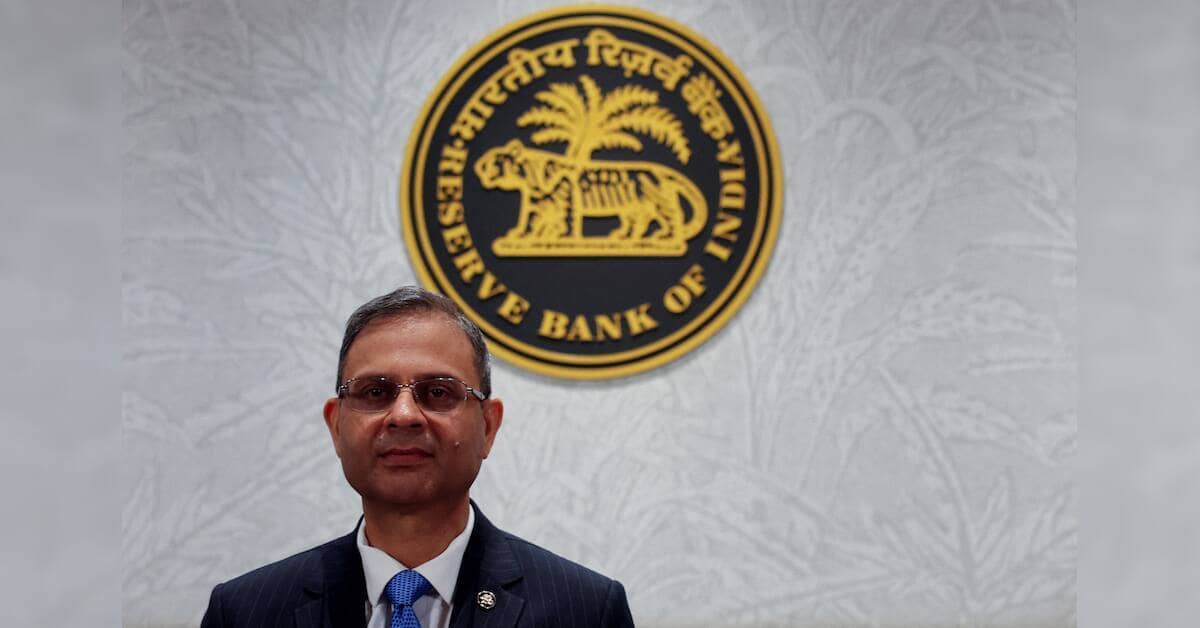
The RBI's monetary policy committee concluded its October meeting with a 25 basis point rate increase, bringing the repo rate to 5.5%. The decision, announced following deliberations between October 5 and 7, represents a pivot in the central bank's approach to monetary policy as it navigates persistent inflationary pressures in the Indian economy.
The committee's shift from a neutral stance to calibrated tightening reflects a more proactive stance on future rate adjustments. This change in policy orientation suggests the RBI is prepared to continue tightening monetary conditions in measured steps, moving away from its previous position of data-dependent flexibility.
The repo rate, which serves as the foundation for lending rates across the banking system, influences borrowing costs for businesses and consumers. The latest increase adds to the cumulative impact of previous rate hikes as the central bank seeks to anchor inflation expectations and maintain price stability.
Analysts expect the calibrated tightening stance to guide the committee's decisions in forthcoming meetings, with further rate movements likely contingent on inflation trends and growth dynamics. The RBI's messaging suggests a commitment to restoring price stability while remaining mindful of economic growth considerations.
The decision comes amid global monetary tightening cycles and domestic inflationary concerns that have prompted central banks across emerging markets to reassess their policy positions. The RBI's updated stance positions India's monetary framework within this broader context of inflation management.