World · India Bureau
RBI Rate Hike Aims to Cool Inflation, But Middle-Class EMIs Rise
The Reserve Bank of India has raised the repo rate for the first time in three and a half years to combat surging inflation driven by crude oil prices. The decision, while intended to stabilize the economy, is expected to increase home loan repayments and squeeze household budgets across India's middle class.
LSN India ·
The Reserve Bank of India's decision to increase the repo rate represents a significant policy shift aimed at reining in persistent inflationary pressures threatening the economy. The rate hike, the first in over three years, comes as crude oil prices remain elevated and consumer price inflation shows little sign of abating. For the central bank and government, the move is a necessary tool to restore macroeconomic stability and anchor price expectations.
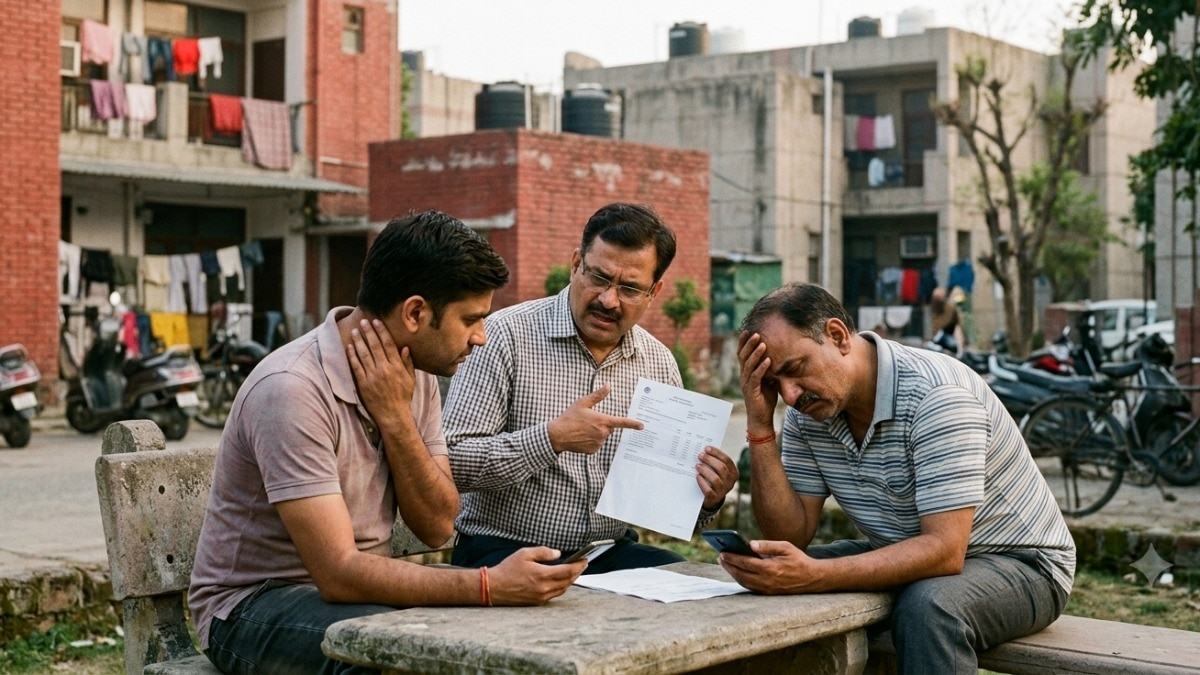
However, the immediate impact will be felt most acutely by middle-income households already grappling with rising living costs. As banks adjust their lending rates in response to the RBI's decision, borrowers with home loans face the prospect of higher monthly equated installments. For families balancing mortgage payments against inflation-driven increases in everyday expenses, the dual squeeze on household finances could prove significant.
The rate increase underscores a fundamental tension in monetary policy: measures effective in controlling inflation at the macro level often impose concentrated costs on specific segments of the population. While policymakers argue such measures are essential for long-term economic health, middle-class families managing fixed incomes and existing debt obligations face the challenge of absorbing these additional costs in the short term.
Economists note that the full impact of the rate hike on lending rates and consumer behavior will become clearer in coming weeks as banks adjust their base rates and borrowing conditions tighten across the financial system.