World · India Bureau
RBI relaxes money transfer rules for unbanked Indians
India's central bank has eased digital money transfer norms, allowing individuals without bank accounts to send funds to others through NEFT channels. The move aims to expand financial inclusion among India's unbanked population.
LSN India ·
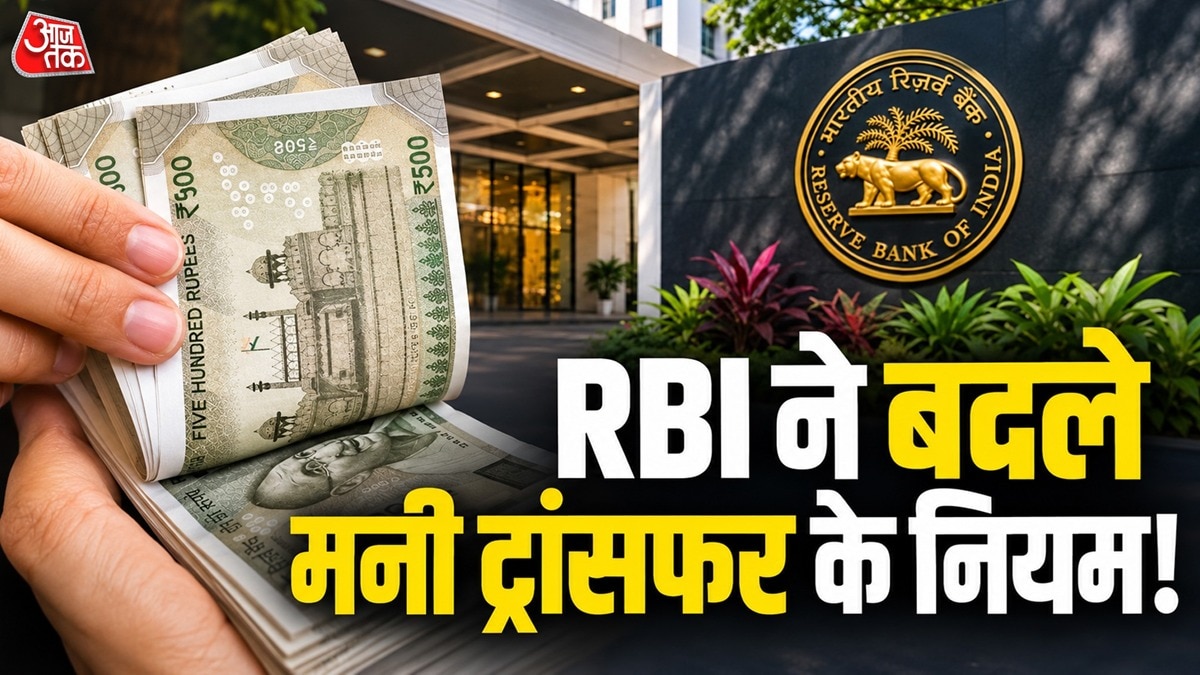
The Reserve Bank of India has unveiled revised guidelines for Digital Money Transfer (DMT) services, significantly lowering barriers for those without formal banking relationships. Under the new framework, individuals can now transfer up to ₹50,000 per transaction via NEFT directly from bank branches, even without maintaining a personal account.
The regulation introduces separate limits for cash withdrawal services, commonly known as cash pay-out. Users can now withdraw up to ₹10,000 in a single transaction, with a monthly ceiling of ₹25,000. These thresholds represent a substantial increase from previous restrictions, enabling greater liquidity access for the unbanked and underbanked segments of the population.
The policy revision reflects the RBI's ongoing commitment to financial inclusion and the broader government objective of integrating India's vast informal economy into the formal financial system. By reducing documentation and account-holding requirements, the central bank aims to facilitate remittances and fund transfers that are essential for millions of Indians dependent on informal banking channels.
These guidelines come as India continues its digital payment transition, with digital money transfer services playing an increasingly critical role in connecting rural and semi-urban populations to the broader banking infrastructure. The eased norms are expected to benefit migrant workers, small business operators, and other segments heavily reliant on non-banking channels for fund movement.