Politics · India Bureau
RBI's dollar forward position reaches record $239.2 billion in September
The Reserve Bank of India's net short dollar forward position surged to an all-time high of $239.2 billion in September, up sharply from $200.06 billion in August. The increase was primarily driven by Foreign Currency Non-Resident (FCNR) swap activity as forward premiums climbed substantially.
LSN India ·
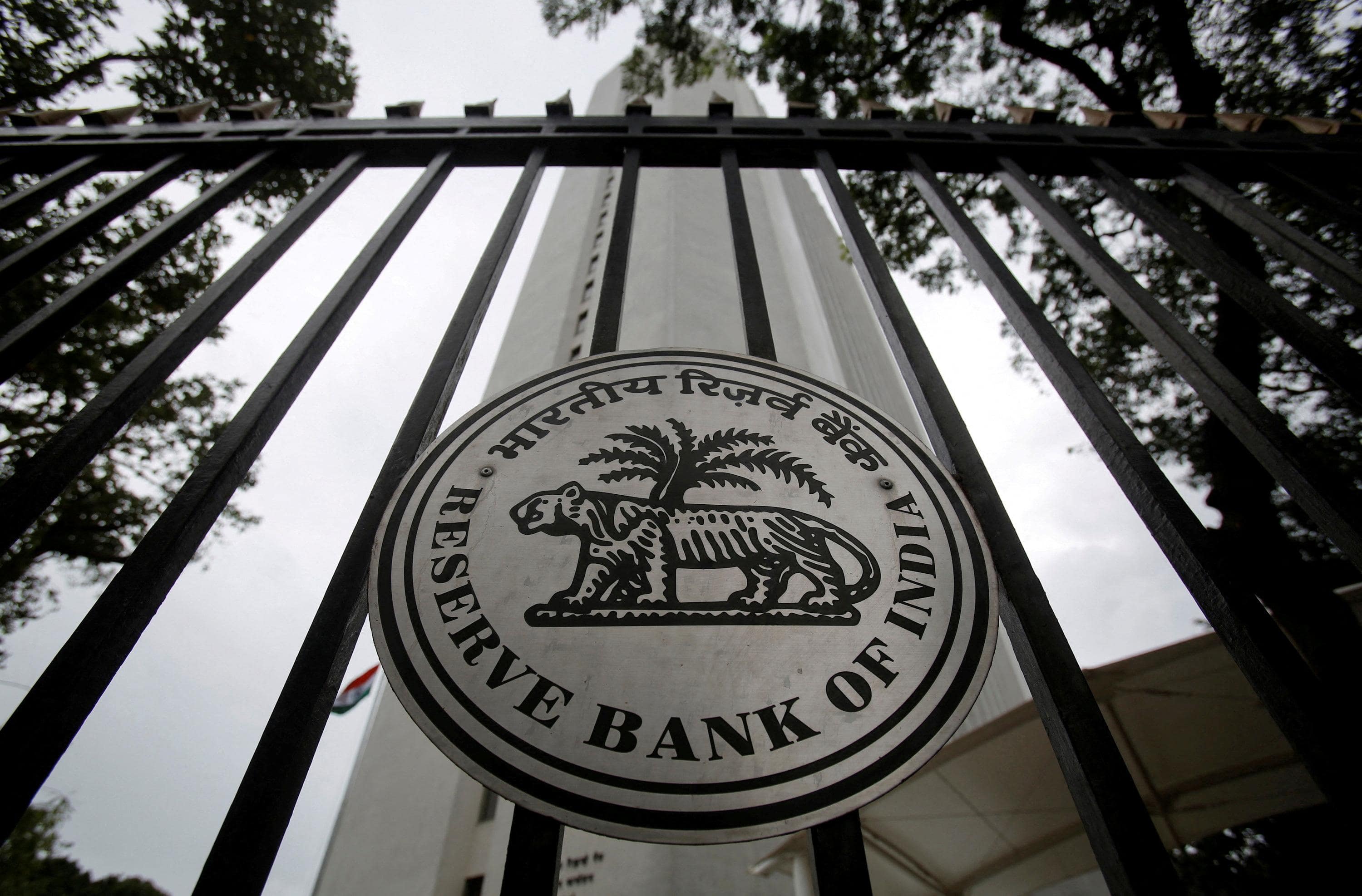
The RBI's unprecedented buildup of short dollar positions reflects intensified management of rupee stability amid volatile currency markets. The net short dollar forward position, which measures the central bank's derivative hedging commitments, expanded by nearly $39 billion in a single month, signaling aggressive intervention through swap operations.
FCNR(B) swaps emerged as the primary driver of this expansion. These instruments allow the RBI to absorb dollar inflows from non-resident Indians and other foreign investors while simultaneously managing domestic liquidity and currency pressures. As forward premiums—the difference between spot and future exchange rates—rose sharply in early October, the attractive returns on dollar deposits incentivized continued dollar inflows, necessitating sustained RBI action.
The record position underscores the central bank's multifaceted approach to managing external sector dynamics. With India experiencing robust capital inflows and persistent rupee appreciation pressures, the RBI has relied on forward market interventions to moderate exchange rate volatility while maintaining orderly conditions in currency markets.
Analysts note that such elevated short dollar positions carry implications for monetary policy transmission and liquidity management. The September surge follows months of steady accumulation as the RBI navigates the complex interplay between capital inflows, inflation control, and rupee management—balancing objectives that have become increasingly challenging in the current macroeconomic environment.