Business · India Bureau
RBI's flexi-loan ban sparks debate on regulation approach
Banking regulators face mounting pressure to reconsider their blanket prohibition on flexi-loans, with industry experts arguing that targeted safeguards may be more effective than an outright ban. The debate centres on whether the core risk—loan evergreening—can be addressed through structural controls rather than restriction.
LSN India ·
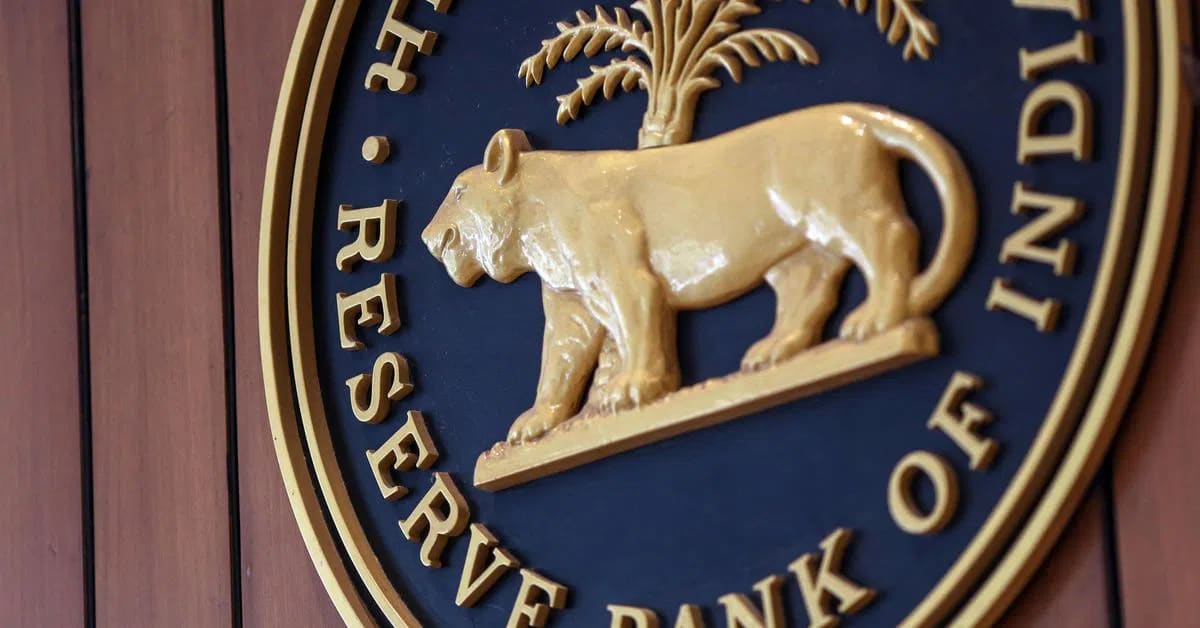
The Reserve Bank of India's decision to ban flexi-loans has reignited discussion about the appropriate regulatory approach to managing lending risks in the banking sector. Proponents of a more nuanced stance argue that the defining characteristic of flexi-loans lies not in their revolving nature, but in their amortisation structure, and that a complete prohibition may be unnecessarily restrictive.
Industry observers contend that the central concern driving the ban—the risk of evergreening, whereby borrowers roll over maturing loans to avoid defaulting—can be addressed through targeted structural safeguards rather than blanket restrictions. These alternative controls could include enhanced monitoring mechanisms, stricter documentation requirements, and clearer repayment schedules designed to prevent artificial loan renewals.
The regulatory challenge reflects a broader tension between protecting financial system stability and permitting flexible lending products that borrowers and lenders find beneficial. While the RBI's caution is understandable given past instances of evergreening among troubled borrowers, critics suggest that a categorical approach may eliminate legitimate lending innovations without substantially improving oversight.
As the banking sector seeks clarity, regulators face pressure to demonstrate whether the concerns justifying the ban can be sufficiently mitigated through alternative mechanisms. The outcome of this debate could significantly influence how Indian banks structure credit products in coming years.