Politics · India Bureau
RBI's rupee defense strategy dampens corporate dollar hedging activity
Forward dollar purchases by Indian companies have slumped to their lowest level in eight months as regulatory measures aimed at stabilizing the rupee discourage currency hedging. The sharp decline underscores the tension between corporate risk management needs and monetary authorities' efforts to defend the domestic currency.
LSN India ·
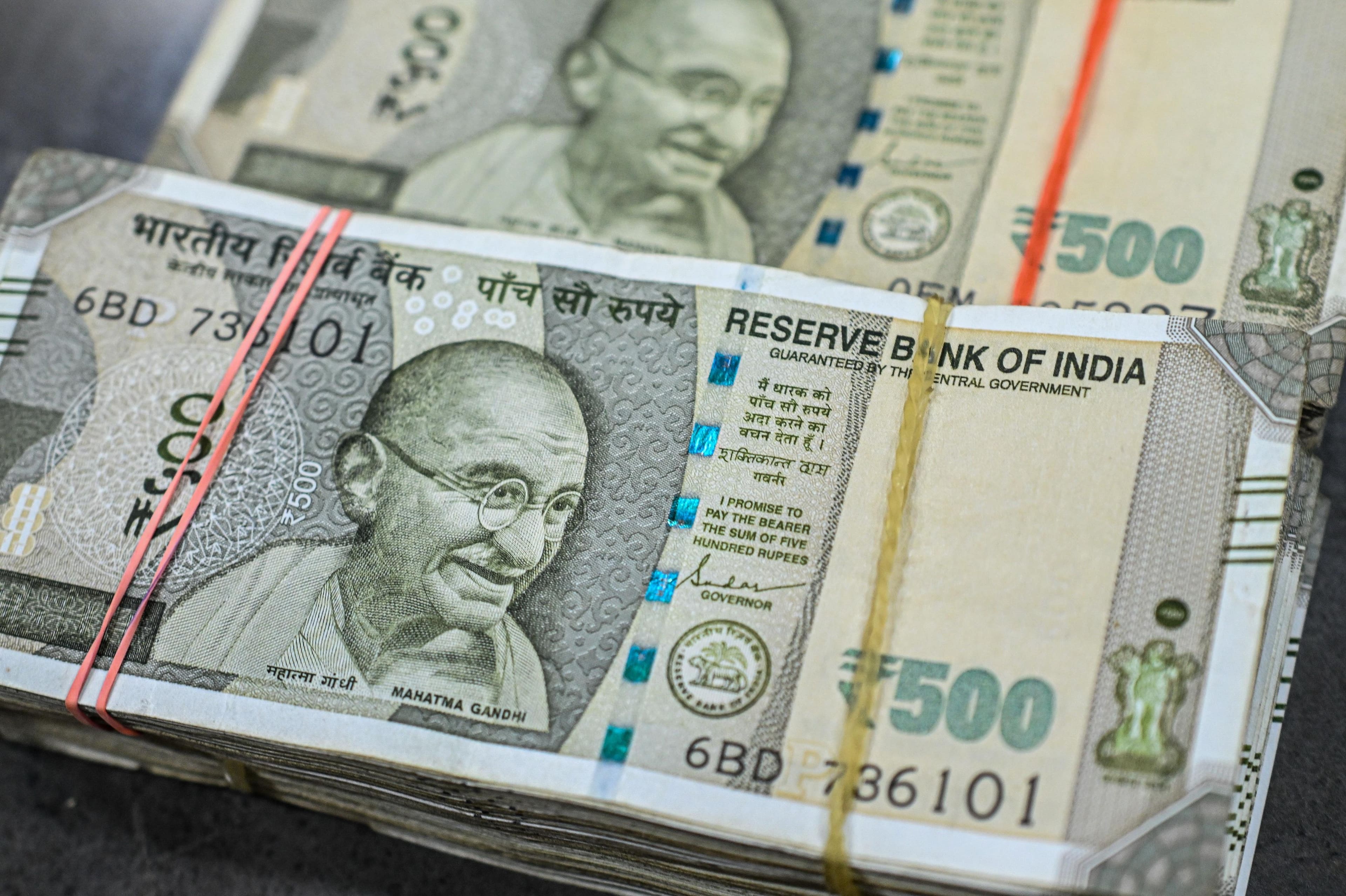
Corporate India's appetite for dollar hedging has weakened significantly following the Reserve Bank of India's recent regulatory actions targeting speculative rupee positions. Forward dollar commitments—contracts in which companies agree to purchase US currency at predetermined rates for future delivery—plummeted 35% month-on-month in October, settling at $49.5 billion, according to data tracking financial flows.
The contraction represents a marked reversal from September's record levels, signaling that companies are reassessing their currency risk management strategies in light of RBI measures designed to cool rupee volatility. The central bank has intensified oversight of derivative markets and tightened rules around currency positions held by financial institutions, moves interpreted as efforts to support the rupee amid broader external pressures.
Industry participants face a delicate balancing act between protecting operations from currency fluctuations and navigating stricter regulatory scrutiny. Exporters and importers typically use forward contracts to lock in exchange rates and shield profits from rupee movements, making such hedging integral to corporate financial planning.
The eight-month low in hedging activity reflects uncertainty about the RBI's policy direction and potential constraints on financial institutions' ability to facilitate large-scale hedging operations. Market observers note that while the measures may succeed in limiting speculative pressure on the rupee, they could complicate genuine hedging needs for companies with legitimate foreign currency exposures.