World · India Bureau
Reading plant leaves: A guide to diagnosing plant health issues
Discolored, wilting, or spotted leaves are a plant's way of signaling distress. Plant experts say leaf appearance can reveal critical information about watering needs, sunlight exposure, pest infestations, and disease.
LSN India ·
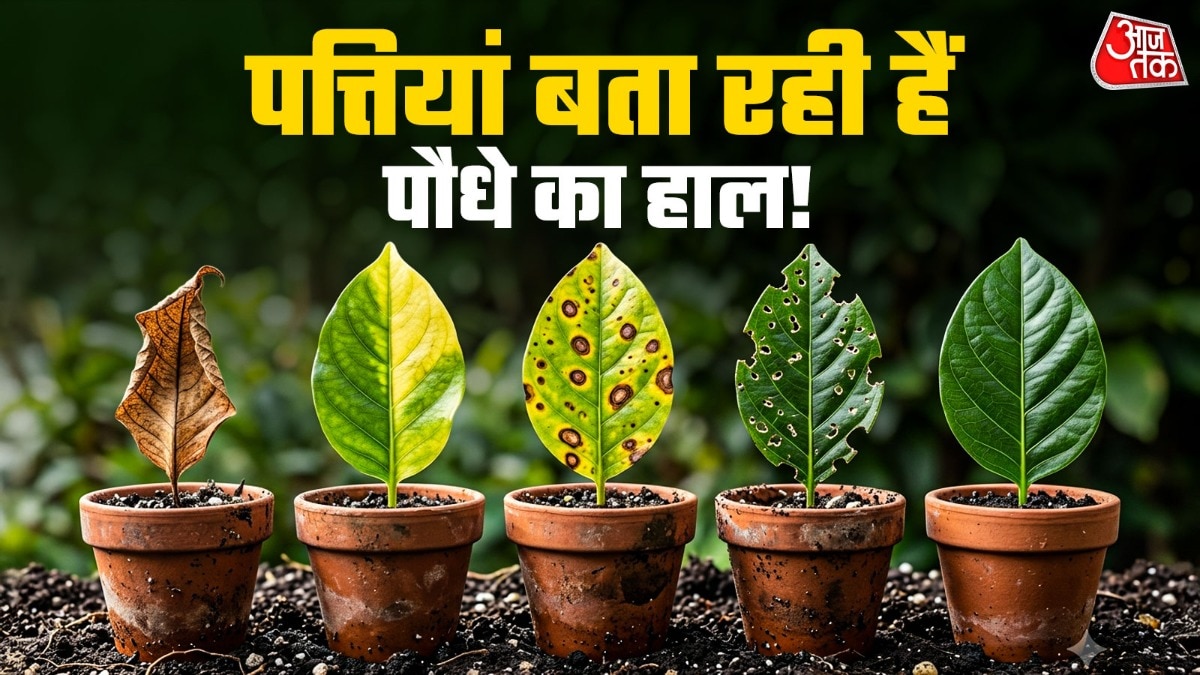
Plant leaves undergo visible changes when struggling with environmental stress or health problems, serving as an early warning system for attentive gardeners. Yellow, brown, dried, or spotted foliage indicates underlying issues that, if addressed promptly, can prevent irreversible damage to the plant.
Water-related problems manifest distinctly through leaf appearance. Yellowing leaves often signal overwatering, which can lead to root rot, while dry, curling, or withered foliage typically indicates insufficient water. The texture and color of affected leaves help distinguish between these two conditions—overwatered plants show soft, mushy leaves, whereas underwatered plants display crispy, brittle growth.
Excessive or insufficient sunlight also produces characteristic changes. Plants receiving too much direct sun may develop bleached or scorched patches on leaves, while those lacking adequate light become pale and lose vibrant coloring. Pest infestations and fungal or bacterial diseases create additional warning signs, including spotted patterns, unusual discoloration, and deteriorating leaf structure.
Regular leaf inspection allows gardeners to identify problems at early stages. Examining leaf color, shape, texture, and any visible spots or lesions provides valuable diagnostic information. Once the underlying cause—whether water management, light adjustment, pest control, or disease treatment—is identified, appropriate corrective measures can be implemented to restore plant health and vigor.