Technology · Singapore Bureau
Real-time data and AI help Singapore buses run smoother
SMRT Buses is deploying advanced analytics and artificial intelligence to reduce service irregularities and enhance the commuting experience for passengers across the island. The technology-driven approach addresses longstanding challenges such as bus bunching, where multiple vehicles arrive at stops simultaneously.
LSN Singapore ·
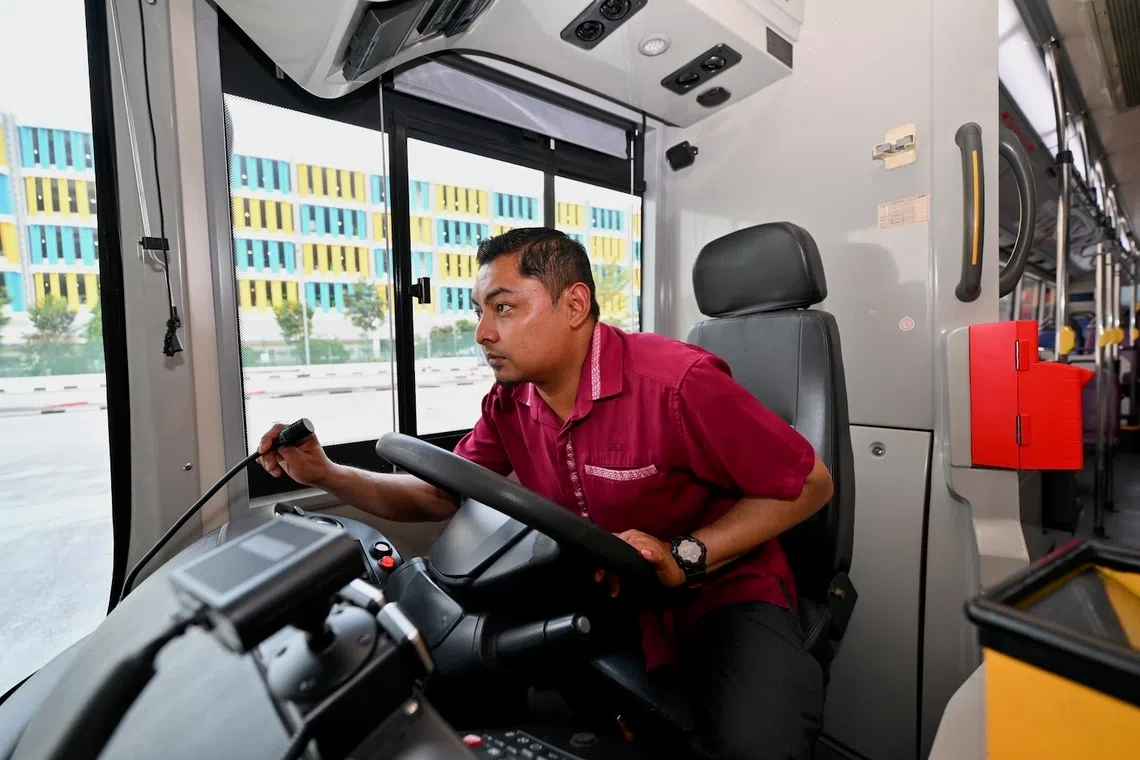
Singapore's largest bus operator is leveraging real-time data collection and machine learning algorithms to optimise fleet operations and improve service reliability. By monitoring vehicle locations, passenger loads, and traffic conditions continuously, SMRT Buses can identify patterns that lead to service disruptions and respond proactively to prevent them.
Bus bunching—a persistent issue where consecutive buses cluster together rather than maintaining even spacing—directly undermines service frequency and passenger convenience. The implementation of AI-powered systems allows operators to adjust speeds, hold times at stops, and dispatch decisions dynamically, reducing the likelihood of bunched arrivals and ensuring more predictable wait times for commuters.
The data-driven approach extends beyond immediate operational adjustments. Analytics help identify structural bottlenecks in the network, informing long-term planning decisions around route design, vehicle allocation, and infrastructure improvements. This integration of technology enables SMRT Buses to balance efficiency with service quality, ultimately supporting Singapore's broader public transport objectives.
The deployment represents a growing trend across Asia's major cities, where digital tools and automation are reshaping urban mobility. For Singapore commuters, these behind-the-scenes technological advances translate into more reliable buses and reduced waiting times, contributing to a smoother overall commuting experience.