World · World News Bureau
Record El Niño intensifies global weather disruptions across continents
The strongest El Niño phenomenon on record is triggering significant weather pattern shifts worldwide, from temperature anomalies to precipitation disruptions. Scientists are documenting widespread impacts already visible across multiple regions and climate zones.
LSN World News ·
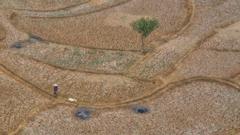
The current El Niño event has reached unprecedented intensity levels, fundamentally altering atmospheric circulation patterns and ocean temperatures across the Pacific basin and beyond. Meteorological agencies worldwide are tracking cascading effects as warm ocean conditions propagate through interconnected global climate systems, creating conditions that ripple far beyond the tropical Pacific where El Niño originates.
Temperature records are being shattered across numerous regions, with many areas experiencing above-average warmth well beyond historical norms for the season. The phenomenon is also disrupting traditional rainfall patterns, creating drought conditions in some areas while intensifying precipitation in others. Agricultural regions from Southeast Asia to Latin America are already grappling with crop stress and water availability concerns as planting seasons align with these anomalous conditions.
Atmospheric jet streams, which guide major weather systems across continents, are being repositioned by the warm ocean anomalies, leading to unusual storm tracks and weather persistence. This has resulted in extreme weather events occurring with greater frequency and intensity in vulnerable regions. Long-range weather forecasters note that these disruptions are expected to continue amplifying through coming months as the El Niño event maintains its strength.
Climate scientists emphasize that while El Niño episodes are natural cyclical phenomena, the current event's record intensity underscores how global climate systems interact and propagate impacts worldwide. Governments and agricultural sectors across Asia and beyond are implementing contingency measures to mitigate adverse effects on food security, water resources, and public health throughout the remainder of the event's active phase.