World · India Bureau
Recycled oyster shells revive reef ecosystem in Louisiana coastal village
Community volunteers in Louisiana have transformed 200 tons of discarded oyster shells into a living reef, demonstrating how recycled materials can combat coastal erosion and climate impacts. Early monitoring shows oyster populations have more than doubled within a year of the reef's construction.
LSN India ·
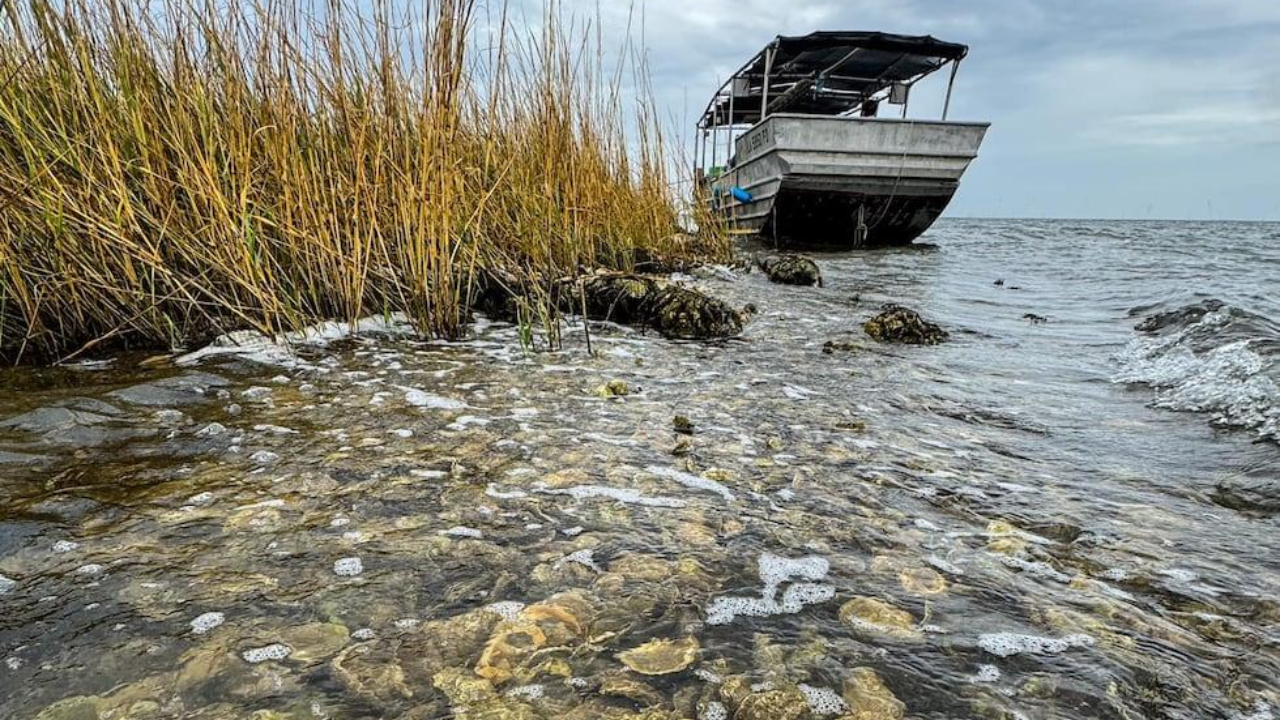
Volunteers in Grand Bayou Indian Village have completed an innovative environmental restoration project that channels recycled oyster shells into reef construction, addressing the region's acute land loss crisis driven by erosion and climate change. The initiative exemplifies how community-led conservation efforts can repurpose industrial waste to restore critical marine habitats.
The newly constructed reef serves dual purposes: it acts as a physical barrier against coastal erosion while simultaneously creating essential habitat for oyster populations. The structure has already demonstrated measurable success, with live oyster numbers more than doubling in the year following its installation, according to initial monitoring results.
Oyster reefs play a vital ecological role in coastal environments, supporting biodiversity and helping stabilize shorelines through their physical structure. The use of discarded oyster shells—a byproduct of the regional seafood industry—transforms waste material into conservation infrastructure, reducing disposal challenges while advancing environmental restoration goals.
The project underscores the growing recognition that community participation and sustainable resource management can effectively address coastal environmental challenges. By leveraging existing materials and volunteer labor, the initiative demonstrates a scalable model for environmental sustainability in vulnerable coastal regions facing accelerating climate pressures.