World · India Bureau
Recycled Tires Prove Durable Fix for California Highway Infrastructure
A two-decade-old California highway project demonstrates the lasting viability of using shredded waste tires as construction material. The innovative approach successfully addressed soil instability while cutting costs and reducing environmental waste.
LSN India ·
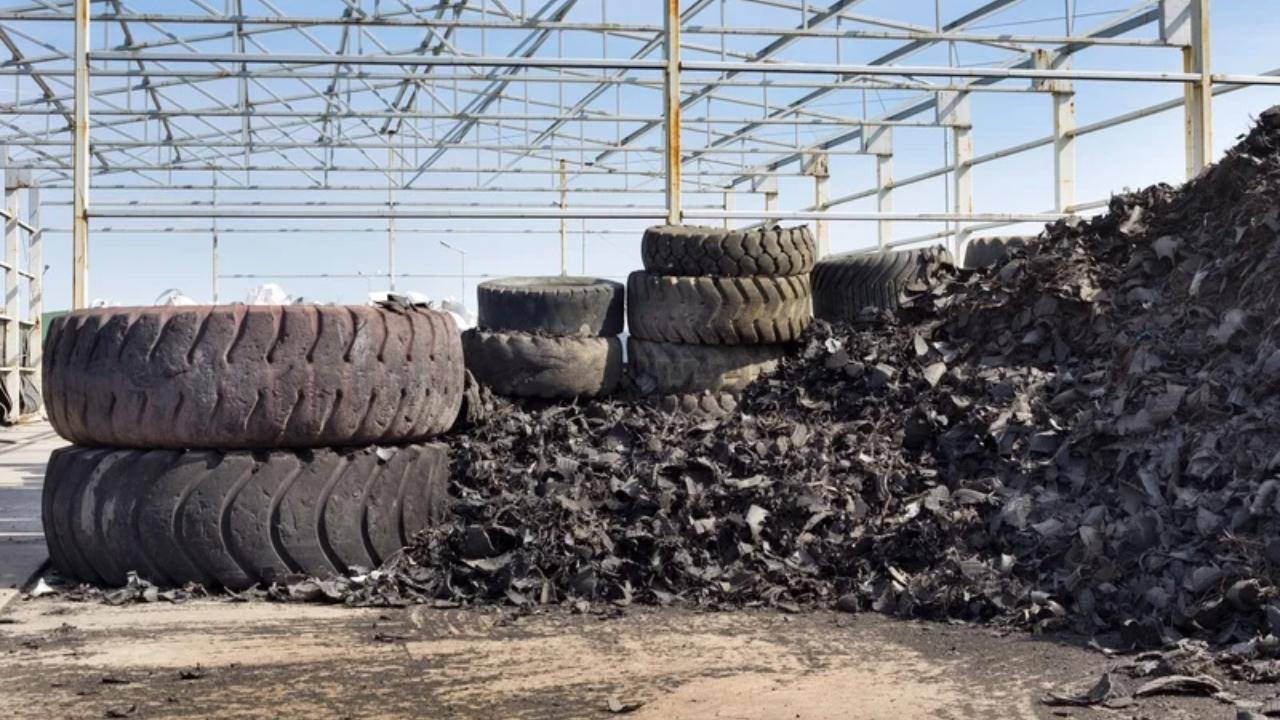
Engineers in Milpitas, California, faced a critical challenge in 2000 when upgrading an interchange on Interstate 880: the underlying bay mud was too unstable to support traditional construction methods. Rather than opt for expensive stabilization techniques, project managers implemented an unconventional solution—filling the on-ramp with approximately 662,700 tonnes of shredded waste tires.
The decision proved strategically sound. By using lightweight recycled tire material as fill, engineers reduced the overall weight bearing on the soft soil by roughly 40 percent, alleviating the risk of ground settlement that could compromise the structure. The approach simultaneously addressed two concerns: it solved an immediate engineering problem while diverting significant quantities of waste tires from landfills.
More than two decades later, the infrastructure has validated the experiment's success. The highway interchange has required no significant maintenance work and shows no signs of structural damage or deterioration. The project's longevity suggests that recycled tire fill, when properly engineered, can provide a durable and cost-effective alternative to conventional construction materials in challenging soil conditions.
The Milpitas project has become a notable case study in sustainable infrastructure development, demonstrating how circular economy principles can be applied to large-scale civil engineering challenges. As regions across South and Southeast Asia face similar highway development pressures and soil constraints, such innovative material solutions may offer practical alternatives to conventional approaches.