World · India Bureau
Rediscovery of 170-year-old moth species leads to identification of 11 new varieties
Scientists have used a specimen of a moth species that vanished from scientific records for nearly two centuries to identify and classify eleven previously unknown moth species. The breakthrough demonstrates how historical biological collections can unlock modern discoveries in entomology.
LSN India ·
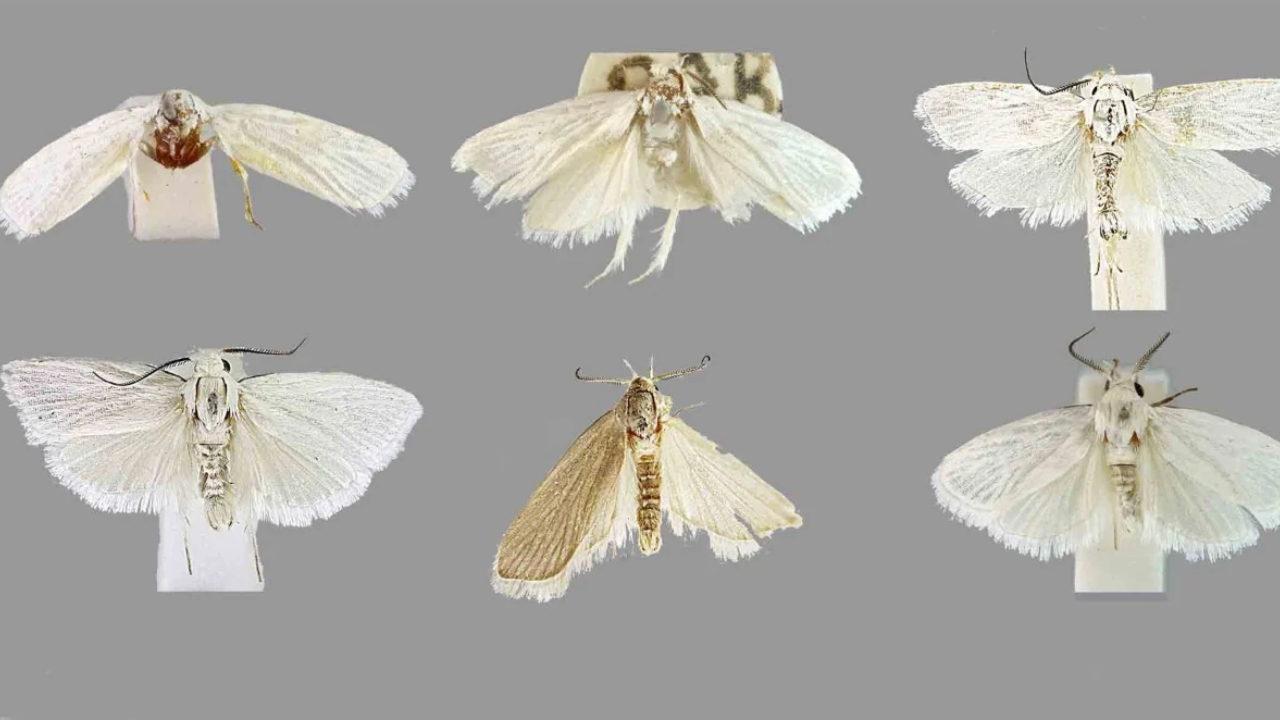
Researchers examining a moth specimen collected during the 19th century have made a significant contribution to entomological science by identifying eleven new moth species. The rediscovery of the historical specimen, which had been absent from active scientific study for approximately 170 years, provided crucial comparative data that enabled experts to recognise and classify the previously undocumented varieties.
The work highlights the enduring value of museum collections and archived biological specimens in advancing contemporary scientific understanding. Historical specimens often contain morphological characteristics and genetic information that remain relevant to modern taxonomic research, serving as reference points against which newly discovered organisms can be compared and classified.
The identification of these eleven species expands knowledge of moth biodiversity in the region and underscores the importance of systematic analysis of both living populations and historical collections. Scientists continue to discover that many organisms previously thought to be single species are actually multiple distinct varieties, requiring careful examination and comparison.
This discovery adds to the growing body of evidence suggesting that global biodiversity remains incompletely documented, with numerous species awaiting formal scientific identification. The work also demonstrates how collaborative examination of archived specimens and modern field research can yield significant insights into the natural world's complexity.