Politics · World News Bureau
Reform UK gains in Birmingham challenge but don't signal anti-diversity shift
Reform UK has made electoral inroads in Britain's most ethnically diverse major city, marking a significant shift in local politics. However, analysts say the party's success reflects voter concerns beyond opposition to multiculturalism.
LSN World News ·
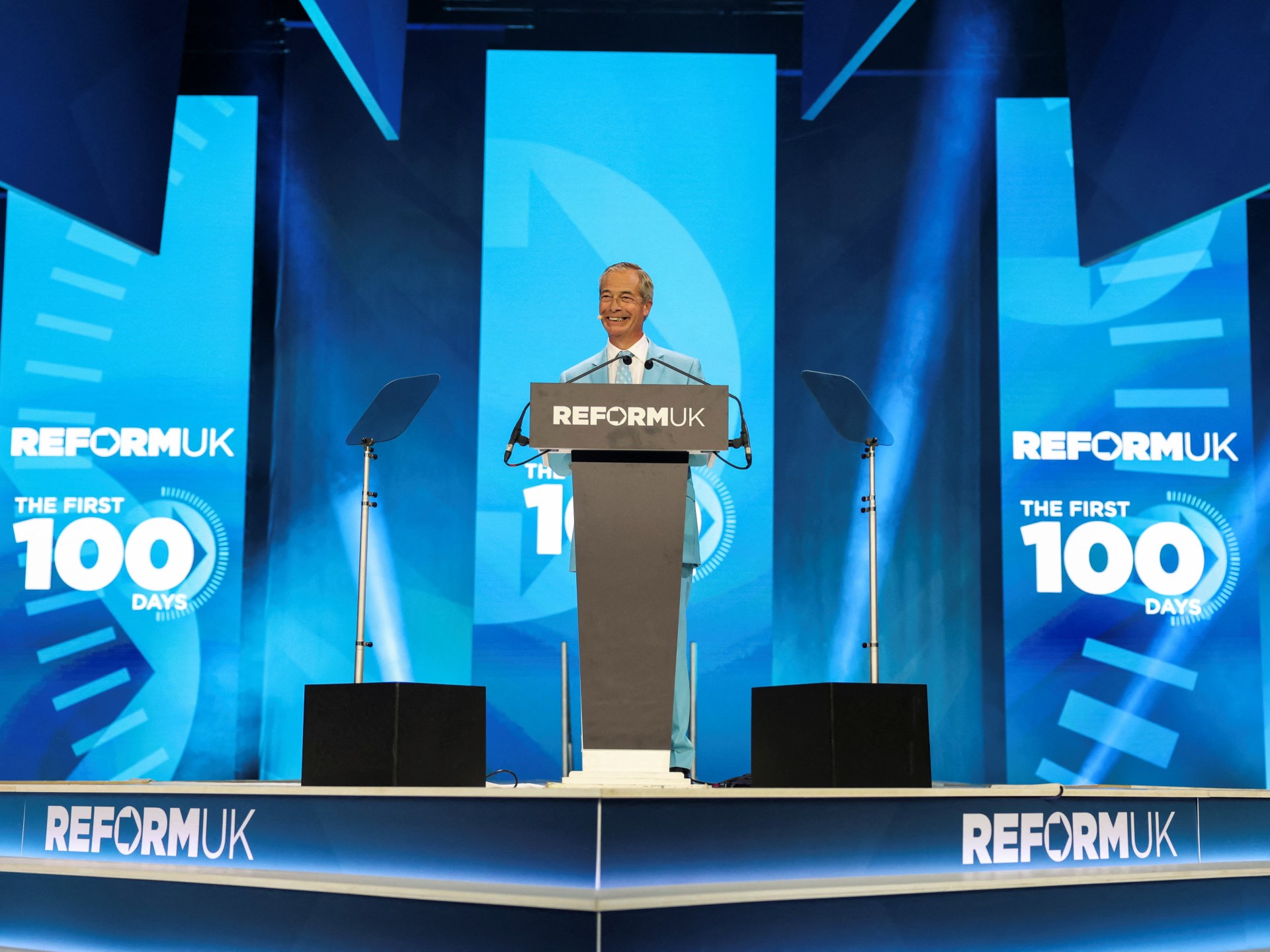
Reform UK's performance in Birmingham municipal elections represents a noteworthy political development in one of Britain's most multicultural urban centers, where residents from immigrant backgrounds comprise a substantial portion of the population. The party's improved showing has drawn attention as a potential indicator of broader discontent among British voters, yet local outcomes suggest a more nuanced picture than a simple rejection of diversity policies.
Birmingham's electorate has demonstrated capacity to support candidates from across the political spectrum while maintaining support for inclusive governance frameworks. The city's voting patterns reflect complex considerations including economic anxieties, service delivery concerns, and local governance effectiveness rather than a unified stance against demographic diversity.
Political analysts note that electoral gains by protest-oriented movements often reflect multiple voter grievances rather than singular ideological commitments. In Birmingham's case, traditional parties' handling of specific local issues appears to have created openings for challenger candidates, independent of stances on immigration or cultural matters.
The results underscore the distinction between political realignment and ideological transformation. While Reform UK has successfully expanded its electoral footprint, the outcome does not constitute a mandate for anti-multiculturalism policies. Birmingham's diversity remains a defining feature of the city, and voters continue to elect representatives across party lines.