World · India Bureau
Regime Change Debate Roils Indian Politics as Legal Scholar Stirs Controversy
Senior advocate Prashant Bhushan's assertion that India requires a 'regime change' has ignited fresh political tensions, raising questions about democratic transitions versus unconstitutional power transfers in South Asia.
LSN India ·
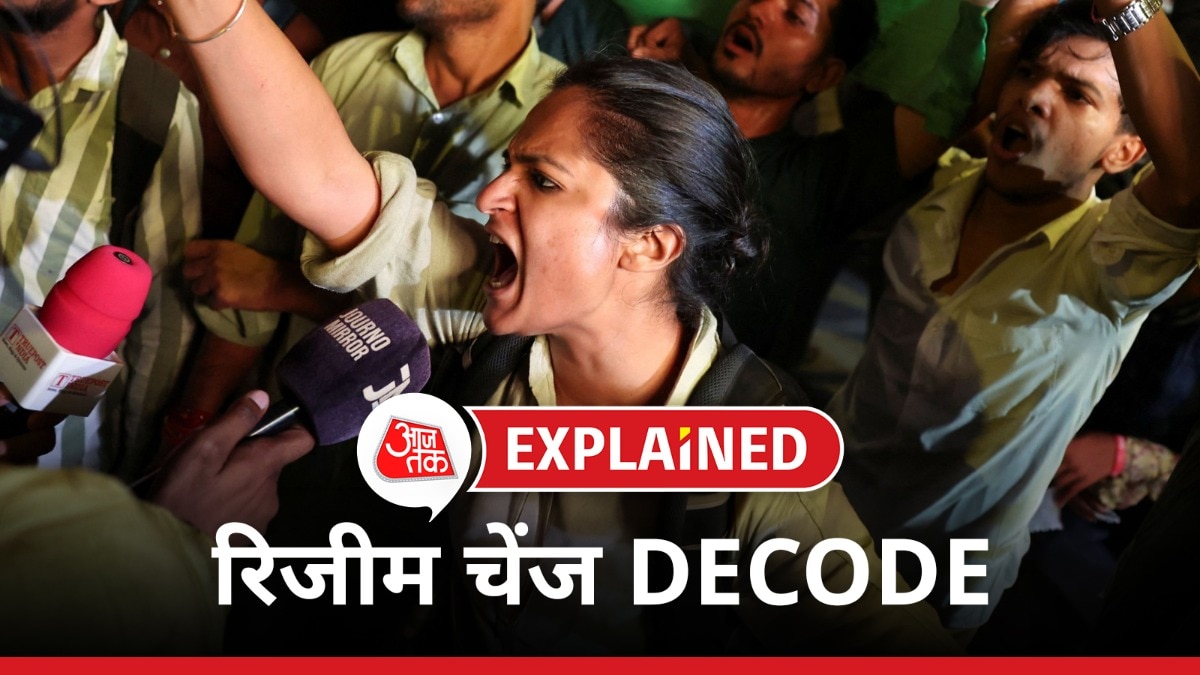
A statement by prominent lawyer Prashant Bhushan endorsing 'regime change' in India has triggered significant political controversy, reigniting debates about the legitimacy of democratic transitions and the risks of extra-constitutional upheaval. Bhushan's remarks, made on Thursday, have forced a national reckoning with how India's political establishment views governmental change in an era of regional instability.
The intervention comes amid growing concerns about the distinction between legitimate electoral change and unconstitutional transfers of power. The broader South Asian context looms large in this debate, with recent examples from neighbouring countries demonstrating the volatility of extra-judicial governmental transitions.
Bangladesh, Nepal, and Sri Lanka have all witnessed popular uprisings that toppled sitting governments without recourse to scheduled elections. These mass movements, while driven by public discontent, bypassed constitutional mechanisms and raised international concerns about democratic backsliding and institutional fragility. The outcomes in these nations have ranged from prolonged political uncertainty to institutional reforms.
Bhushan's comments have forced India's political class to confront uncomfortable questions about governance, accountability, and the sanctity of constitutional processes. While some view regime change rhetoric as legitimate political expression, others argue it risks delegitimizing democratic institutions and encouraging extra-constitutional challenges to elected governments.
The controversy reflects deeper anxieties about India's democratic resilience at a time when regional precedents suggest the vulnerability of elected systems to popular mobilization and institutional collapse.