World · Malaysia Bureau
Region's aging political leaders urged to embrace generational change
Political analysts across South and Southeast Asia are increasingly calling for veteran leaders to step aside and allow younger policymakers to tackle contemporary challenges. The debate centres on whether established figures are too preoccupied with historical grievances to effectively address pressing modern issues.
LSN Malaysia ·
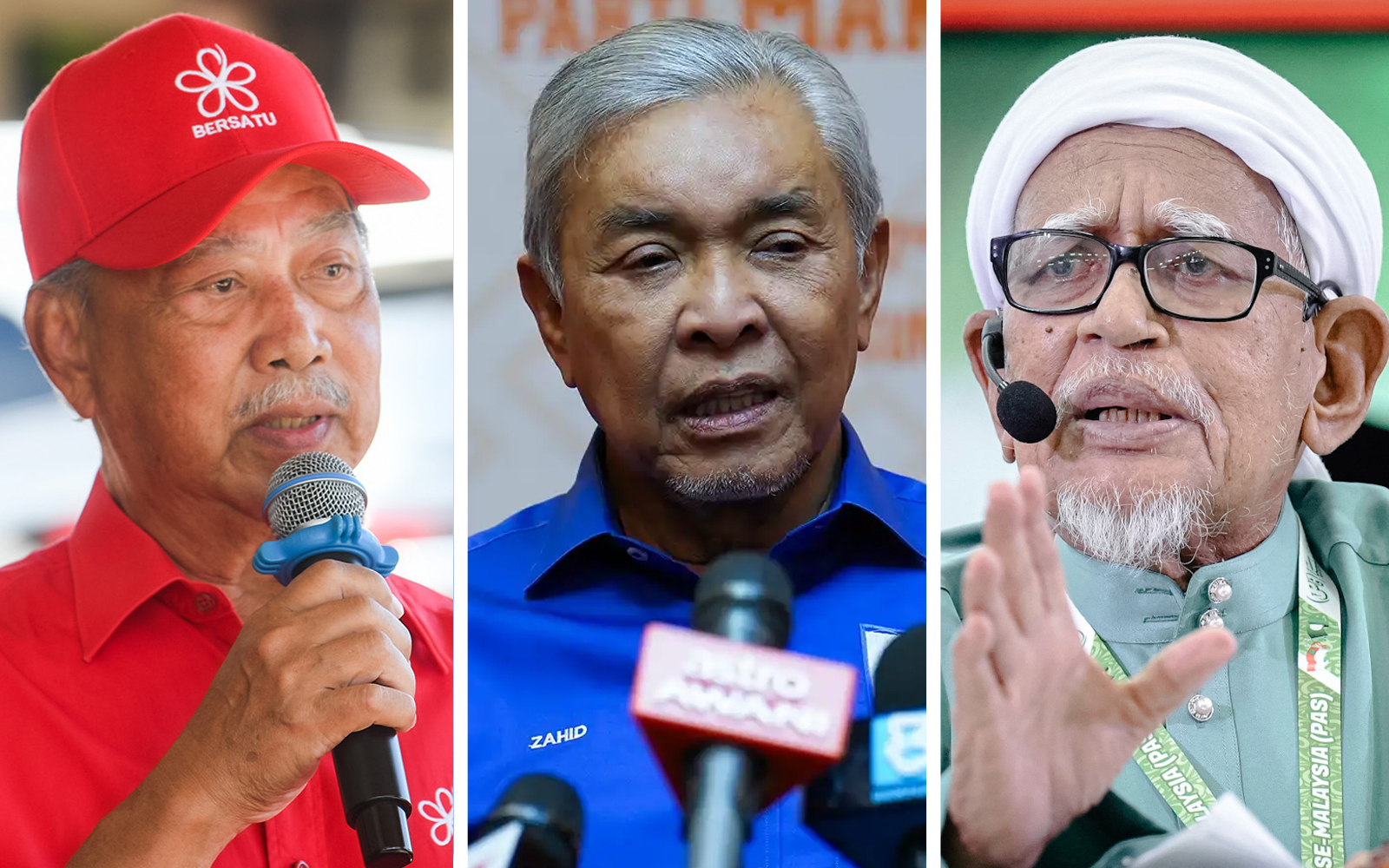
A growing chorus of observers in the region suggests that entrenched political establishments may be hindering progress by remaining fixated on historical rivalries and outdated ideological conflicts. These concerns have become more pronounced as countries face mounting challenges in areas ranging from economic transformation and digital innovation to climate change and regional security dynamics.
Proponents of generational renewal argue that veteran politicians, while valuable repositories of institutional knowledge, often lack the perspective necessary to navigate rapidly evolving geopolitical and economic landscapes. The persistence of long-standing political disputes, they contend, diverts attention and resources from the urgent task of building modern governance frameworks capable of serving contemporary populations.
The question of leadership succession has taken on heightened significance across multiple South and Southeast Asian democracies, where demographic shifts and youth-driven social movements have begun reshaping political expectations. Younger constituencies, in particular, are increasingly vocal about their desire for leaders who prioritize forward-looking policy agendas over the consolidation of power based on historical political identities.
While some observers caution that experience and continuity remain important institutional anchors, there is broad recognition that the region's long-term prosperity depends on creating political space for emerging leaders with fresh mandates and contemporary policy priorities. The challenge facing regional governments, therefore, extends beyond individual leadership transitions to encompassing broader institutional reforms that encourage merit-based advancement and responsive governance.