World · Singapore Bureau
Regional economies chart growth strategies amid rising global uncertainty
South and Southeast Asian nations are recalibrating development approaches to sustain expansion in an increasingly unpredictable economic environment. Policymakers are focusing on resilience and diversification as traditional growth drivers face fresh headwinds.
LSN Singapore ·
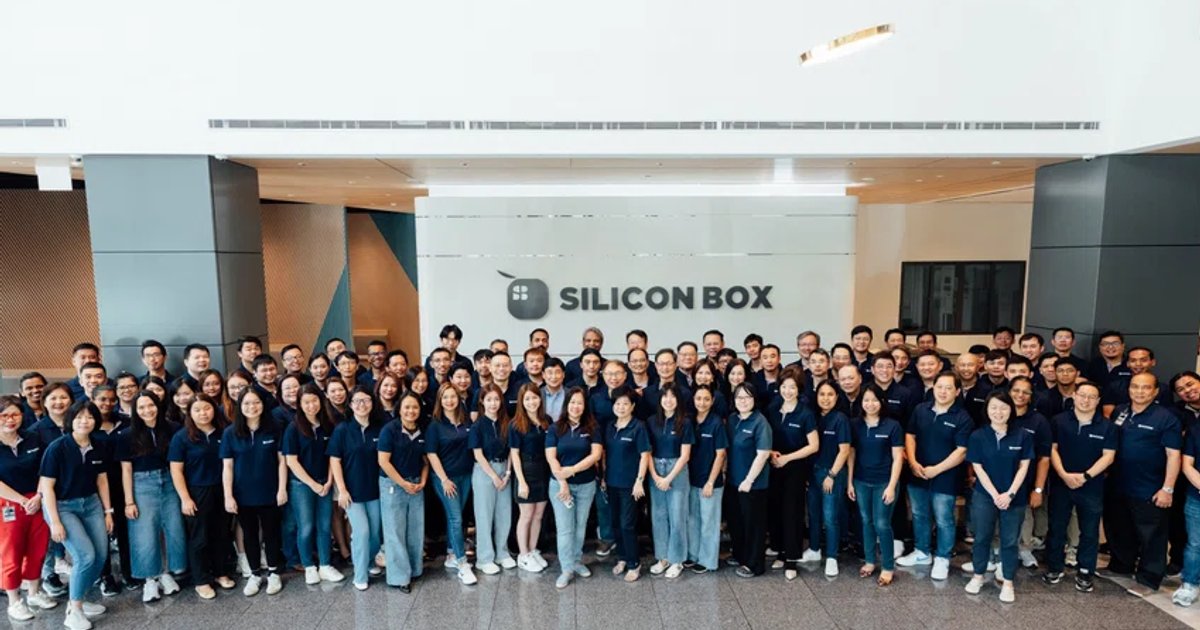
Economic planners across South and Southeast Asia are reshaping long-term growth strategies to navigate mounting volatility in global markets and geopolitical tensions. The shift reflects recognition that the region cannot rely solely on established development models as external conditions grow more unstable.
Governments are prioritizing infrastructure investment, skill development, and supply chain diversification to build more robust economies. These measures aim to reduce dependence on volatile commodity prices and concentrated export markets while strengthening domestic consumption.
Regional policymakers are also emphasizing financial stability and prudent fiscal management as buffers against external shocks. Central banks have adjusted monetary policies to balance growth support with inflation control, while governments explore new trade partnerships to mitigate concentration risk.
Industry analysts suggest that nations successfully balancing short-term stimulus with medium-term structural reforms will be better positioned to sustain growth. The emphasis on building institutional capacity and fostering innovation reflects a broader recognition that economic resilience requires sustained commitment beyond cyclical policy adjustments.
Experts note that regional cooperation on trade, investment, and technology transfer could amplify these efforts, enabling smaller economies to achieve scale and competitiveness in a rapidly changing global marketplace.