World · Malaysia Bureau
Regional unity crucial to solving Southeast Asia's persistent haze crisis
Former AICHR chair Edmund Bon argues that transnational cooperation is essential to address the recurring haze problem that affects multiple countries across the region. He contends that individual national efforts alone cannot effectively resolve an issue with cross-border causes and impacts.
LSN Malaysia ·
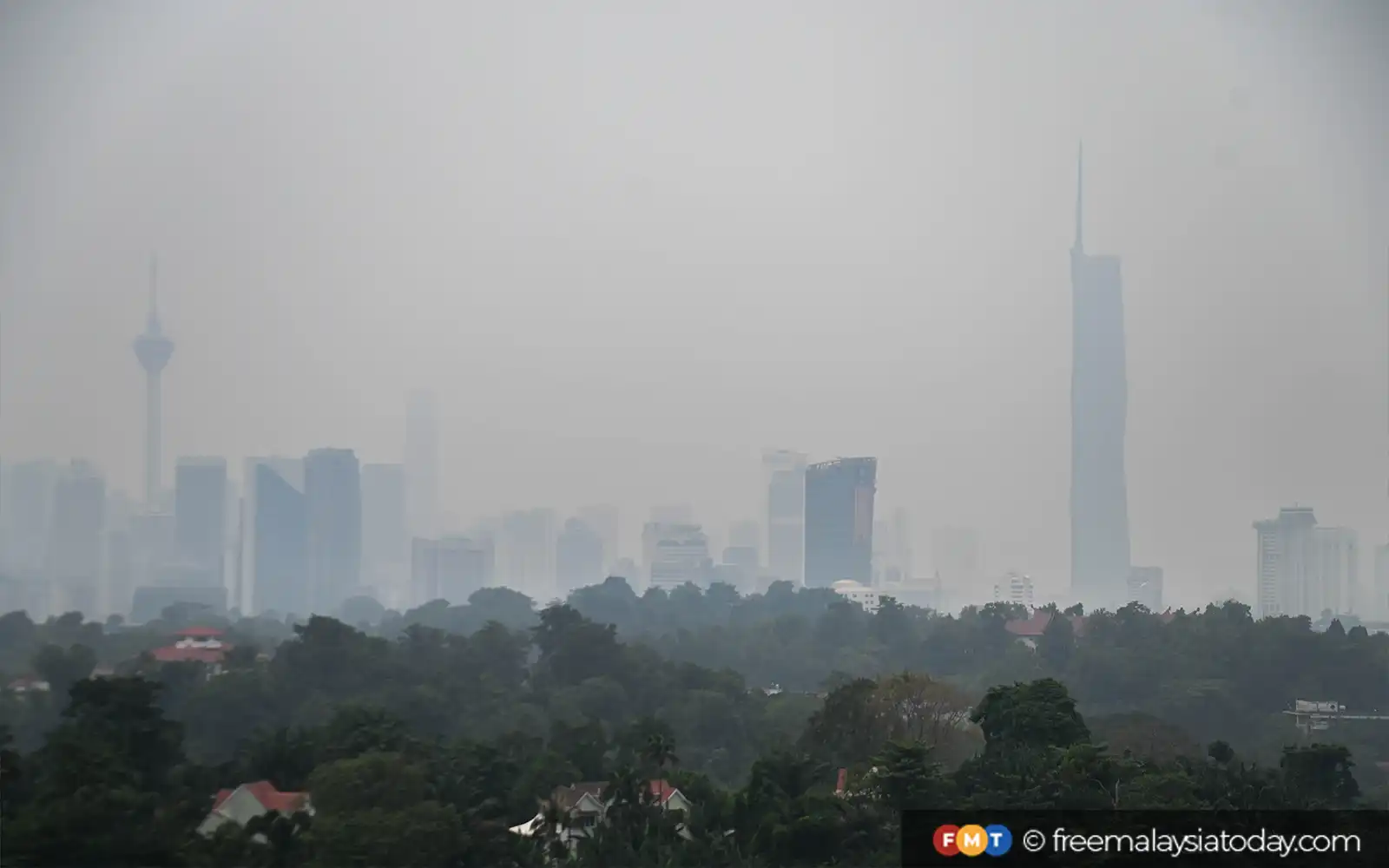
Edmund Bon, former chairperson of the ASEAN Intergovernmental Commission on Human Rights, has underscored the necessity of coordinated regional action to tackle Southeast Asia's chronic haze issue, warning that isolated national measures fall short of addressing the problem's complexity.
Bon's remarks highlight a persistent challenge facing the region, particularly Malaysia and other neighbouring nations that regularly experience poor air quality during haze seasons. The transboundary nature of air pollution means that unilateral domestic policies, while important, cannot fully mitigate the effects without corresponding efforts from source countries.
The former AICHR official's position reflects growing consensus among regional experts and policymakers that effective solutions require harmonised approaches to land management, industrial regulation, and environmental protection standards across ASEAN member states. Such coordination would ideally address root causes of haze, including agricultural burning and forest clearance practices that generate smoke affecting multiple nations.
Regional frameworks like ASEAN's existing agreements on transboundary haze provide institutional foundations for cooperation, though implementation and enforcement remain ongoing challenges. Bon's intervention suggests renewed emphasis on multilateral commitment and resource-sharing to strengthen these mechanisms and deliver tangible improvements in air quality throughout the region.