Technology · Singapore Bureau
Regulators worldwide tighten grip on artificial intelligence risks
Governments across Asia and beyond are moving to establish frameworks that address potential harms from AI systems. The regulatory push reflects growing concerns about data privacy, algorithmic bias, and AI's societal impact.
LSN Singapore ·
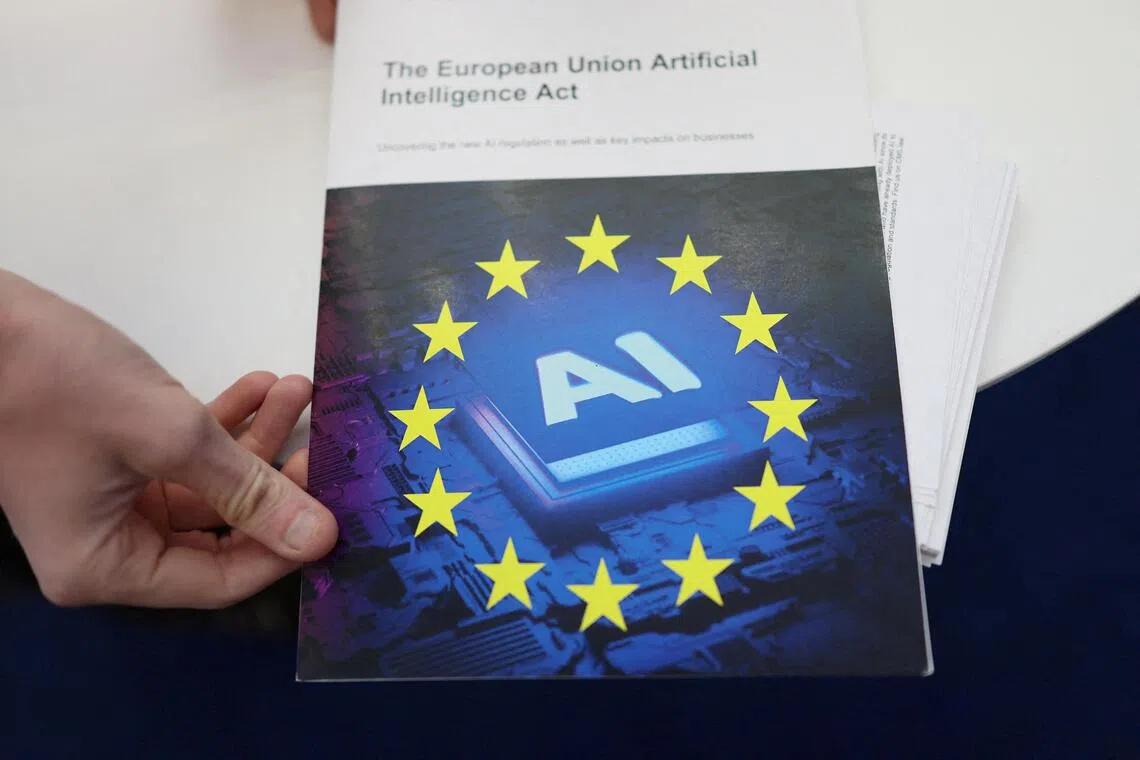
Policymakers in major economies are developing comprehensive regulations to manage risks associated with artificial intelligence deployment. These emerging frameworks aim to balance innovation with safeguards against potential misuse, from discriminatory algorithms to security vulnerabilities in critical systems.
Regulatory approaches vary by jurisdiction but share common themes. The European Union has advanced detailed AI legislation establishing risk-based classifications and compliance requirements. Singapore has positioned itself as a thought leader in AI governance, issuing guidelines for responsible AI deployment while maintaining a pro-innovation stance. Other Asia-Pacific economies are similarly developing national AI strategies that address ethical concerns and technical standards.
Key regulatory focuses include transparency in algorithmic decision-making, particularly in high-stakes applications like hiring and lending; data protection and privacy safeguards; and mechanisms for auditing AI systems for bias. Authorities are also examining liability frameworks to clarify responsibility when AI systems cause harm.
Industry stakeholders have generally engaged with regulatory development, recognizing that clear rules provide certainty for responsible operators. However, balancing effective oversight with avoiding innovation-stifling restrictions remains a central challenge for regulators globally. As AI applications proliferate across sectors from healthcare to finance, the regulatory landscape is expected to mature considerably over coming years.