Politics · India Bureau
Religious conversion impact on tribal status tested in court
The Allahabad High Court has upheld orders voiding three agricultural land transactions, ruling on whether a woman retained her Scheduled Tribe status after converting to Islam. The case raises questions about the legal implications of religious conversion for tribal community membership.
LSN India ·
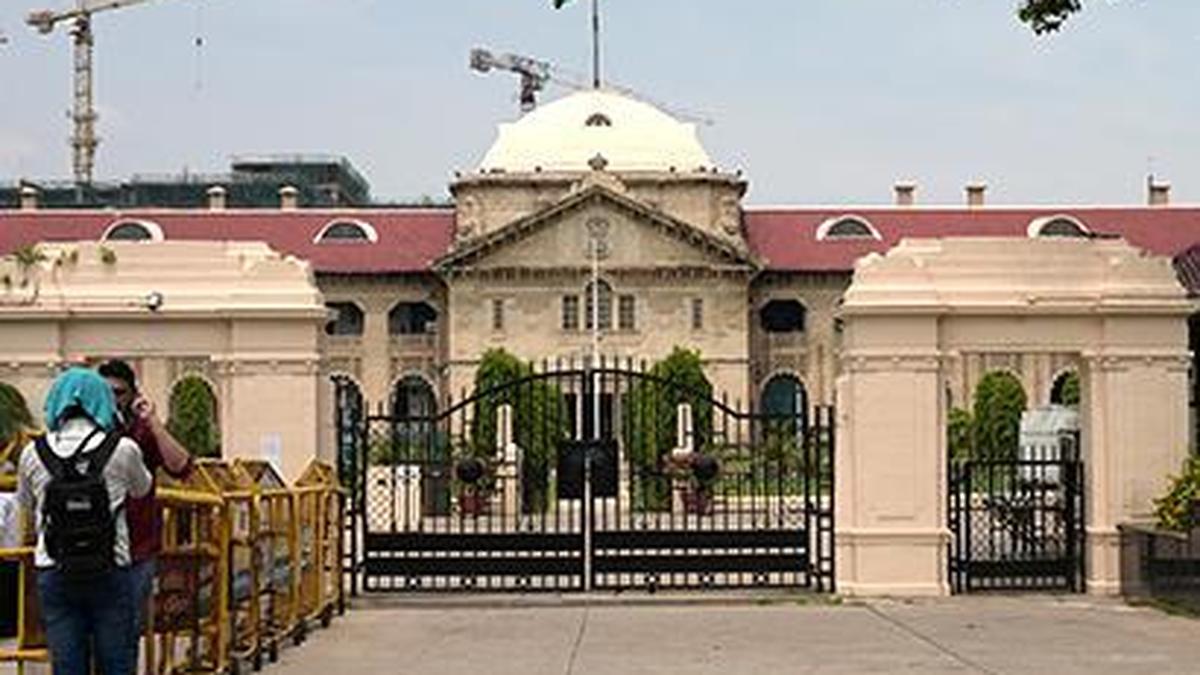
The Allahabad High Court recently dismissed petitions challenging the cancellation of three land sale deeds, addressing a contentious question about the intersection of religious conversion and tribal identity in India. At the heart of the dispute was whether the petitioner maintained her status as a member of the Bhuiyan Scheduled Tribe when the property transfers occurred, given evidence suggesting she had married a Muslim man and converted to Islam.
Court records indicated conflicting documentation regarding the woman's religious affiliation at the time of the transactions. While certain official records showed evidence of her conversion, the case centred on whether such a change in faith would automatically result in loss of Scheduled Tribe status under existing legal frameworks.
The High Court's decision to uphold the annulment of the land transactions effectively resolved the matter by affirming that the earlier orders declaring the sales void were legally sound. The ruling provides clarity on how religious conversion may affect the legal recognition of tribal status, an issue with significant implications for property rights and community membership across India.
The case highlights ongoing tensions in Indian law between individual religious freedom and the constitutionally protected status of Scheduled Tribes. Legal experts note that such disputes require courts to carefully balance personal autonomy with the intent of constitutional provisions designed to protect historically disadvantaged tribal communities.