Politics · India Bureau
Religious converts ineligible for backward Muslim status: Madras High Court
The Madurai Bench of the Madras High Court has ruled that individuals who convert to Islam cannot claim backward class Muslim status. The court held that categorising Muslim sects as backward or forward contradicts Islamic principles of equality.
LSN India ·
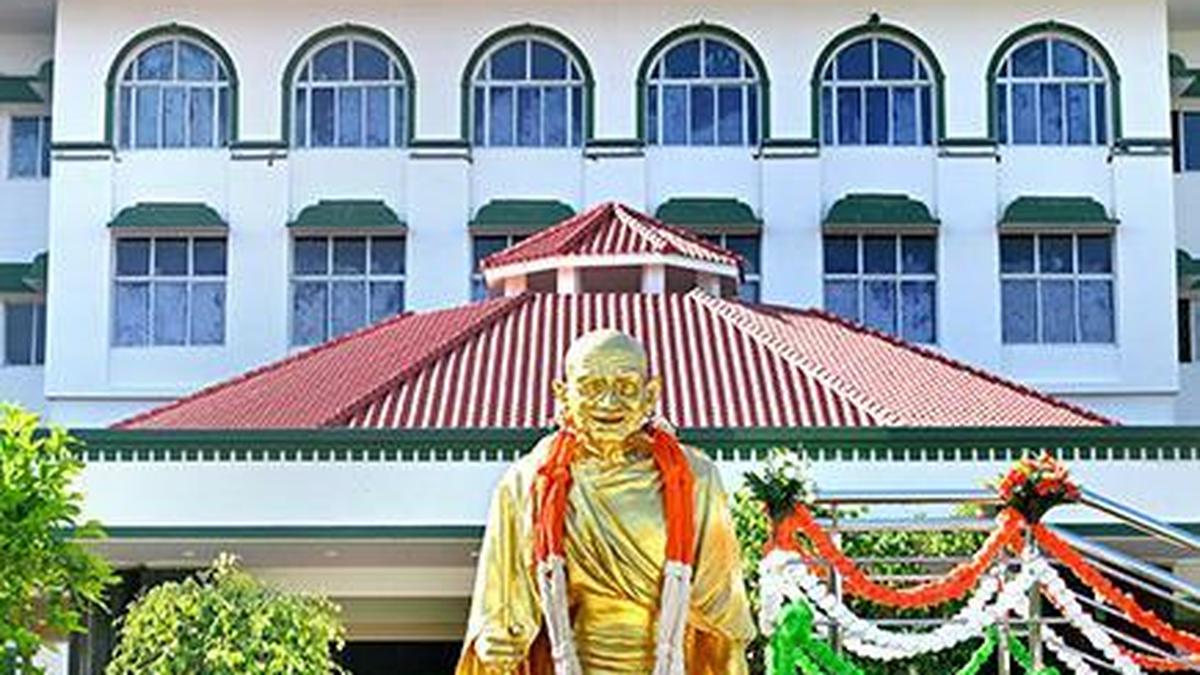
The Madurai Bench of the Madras High Court delivered a significant ruling on religious classification, determining that converts to Islam are not eligible for backward class Muslim status under existing affirmative action frameworks.
The bench's decision centres on the theological position that Islam fundamentally opposes the stratification of its followers into backward and forward categories. According to the court's reasoning, such sectarian divisions are incompatible with Quranic teachings, which emphasise an egalitarian social structure without hierarchical distinctions based on caste or community within the faith.
The ruling addresses the intersection of religious law and constitutional provisions regarding reserved categories for socially and educationally backward classes. By holding that religious conversion does not confer backward class status in the Muslim community, the court has clarified the scope of backward class reservations available to religious minorities.
This decision carries implications for how backward class benefits are distributed among Muslim communities across India, establishing that such protections cannot be extended to recent converts based on their faith alone. The bench's emphasis on Islamic egalitarian principles suggests the court considered doctrinal consistency alongside statutory reservation criteria in reaching its conclusion.
The ruling is expected to influence similar cases involving religious conversion and eligibility for reserved category benefits across Indian courts.