Culture & Entertainment · Philippines Bureau
Religious customs guide Filipinos' All Souls' Day commemorations
Filipinos observe All Souls' Day through deeply rooted spiritual traditions that blend Catholic practices with family rituals. For many, the annual November 1-2 observance serves as more than cemetery visits, functioning as a vital link between generations.
LSN Philippines ·
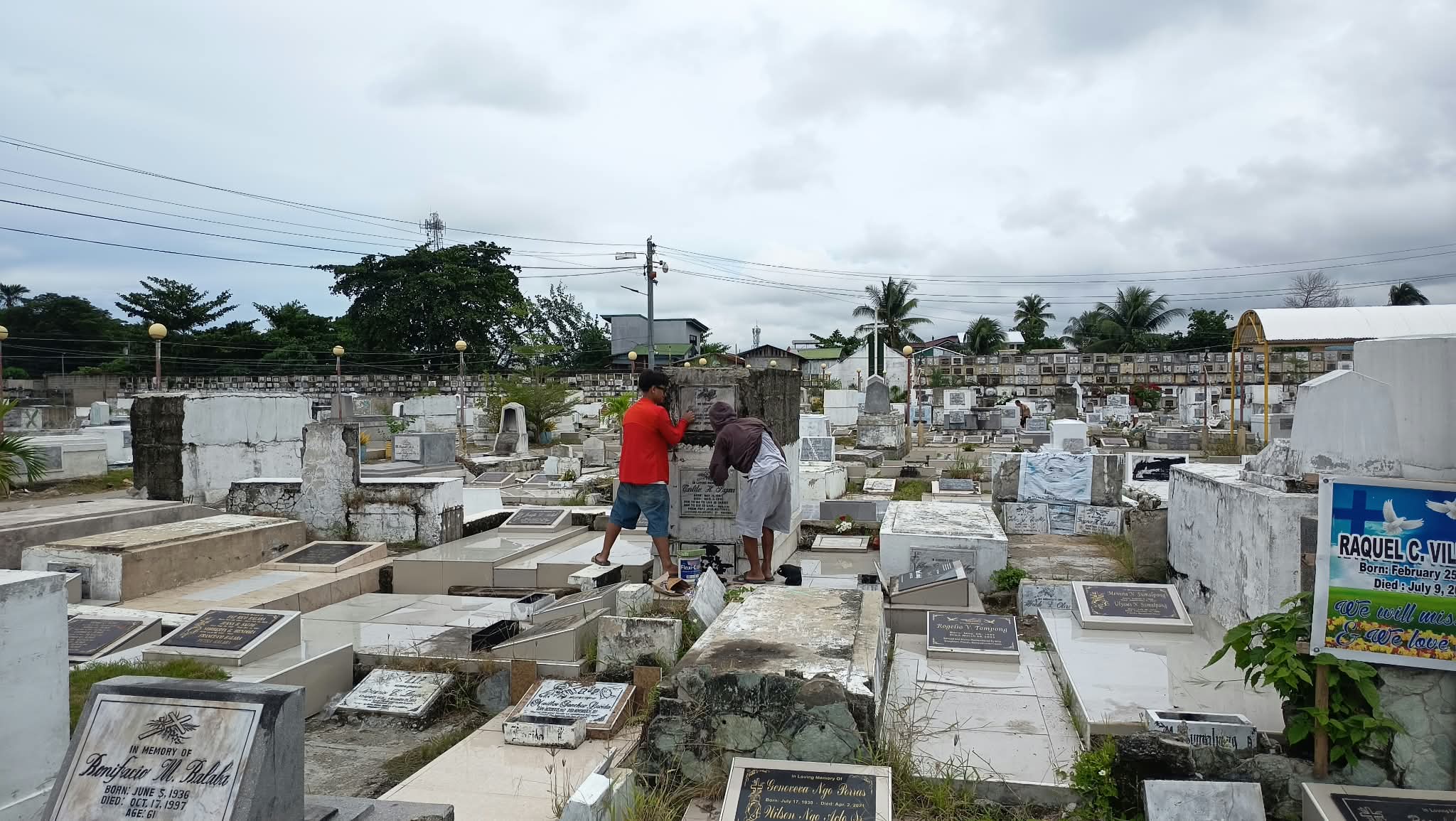
ILIGAN CITY — All Souls' Day holds profound significance for Filipino families across the nation, serving as a cornerstone observance that interweaves faith traditions with multigenerational family practices. For households like that of Donna Montebon, a Catholic mother of three, the commemoration transcends the conventional cemetery pilgrimage, instead anchoring itself as a meaningful family ritual that preserves the memory of deceased relatives while educating younger members about their heritage and ancestral lineage.
The November 1-2 observance reflects the deep Catholic roots embedded in Philippine culture, where spiritual devotion intersects with family obligation and cultural identity. Filipinos across the archipelago prepare for the occasion through distinct practices rooted in their respective faith traditions, demonstrating how religious customs shape the nation's approach to honoring the deceased. These observances often involve household preparations, floral tributes, cemetery vigils, and communal prayers.
For many Philippine families, All Souls' Day represents a sacred opportunity to strengthen familial bonds and transmit cultural values to younger generations. The tradition reinforces spiritual connections between the living and deceased, offering younger family members insight into their ancestral roots and the enduring values upheld by previous generations. Through these annual commemorations, religious faith and family heritage become inseparable elements of Filipino identity.