Politics · India Bureau
Religious rights not absolute, can be curbed for public order: Patna High Court
The Patna High Court has ruled that the constitutional right to practise religion is subject to reasonable restrictions aimed at preserving public order and social harmony. The bench dismissed a petition challenging attendance caps imposed on an annual religious procession in Bihar's Siwan district.
LSN India ·
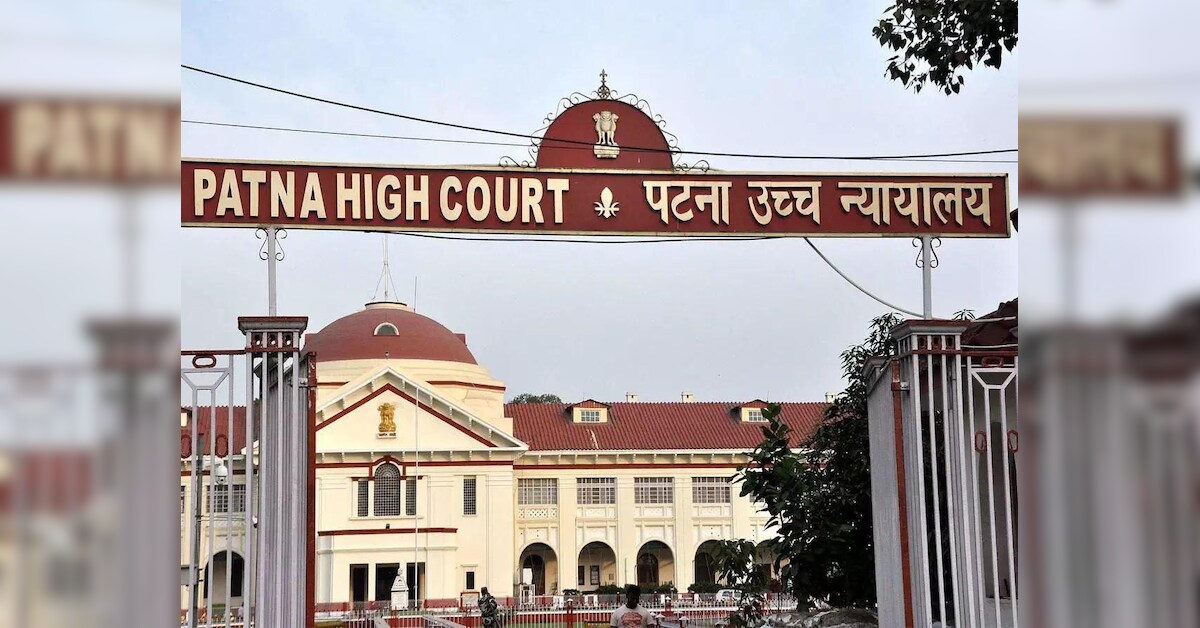
The Patna High Court has held that fundamental religious freedoms are not unlimited and can be reasonably restricted to safeguard public order and maintain societal norms. The judgment came while rejecting a petition that sought to allow 300 devotees to participate in an annual procession organised by a local monastic order in Siwan district.
The petitioner had challenged restrictions on the traditional procession, scheduled according to the Hindu calendar on the 11th day of Bhadrapad Krishna Paksha. The plea contended that attendance caps have been progressively tightened over the years, dropping from 200 participants in 2012-13 to just five in 2023, while the route has also been altered from its traditional path.
The petitioner argued the restrictions violated the devotees' constitutional right to freely practise and profess religion. However, the high court upheld the district administration's decision to impose limits on attendance and route modifications, citing the necessity to maintain law and order in the region.
The court's decision reinforces the legal principle that Article 25 of the Indian Constitution, which guarantees the right to freely profess and practise religion, is not absolute. Under constitutional law, such rights remain subject to restrictions imposed in the interests of public order, health, and morality.