World · Bangladesh Bureau
Religious scholars face pressure over madrasa abuse allegations
Child protection advocates are calling on Islamic scholars and community leaders to take a more active stance on reported cases of abuse within madrasas across the region. The push comes amid growing concerns that institutional silence may be enabling mistreatment.
LSN Bangladesh ·
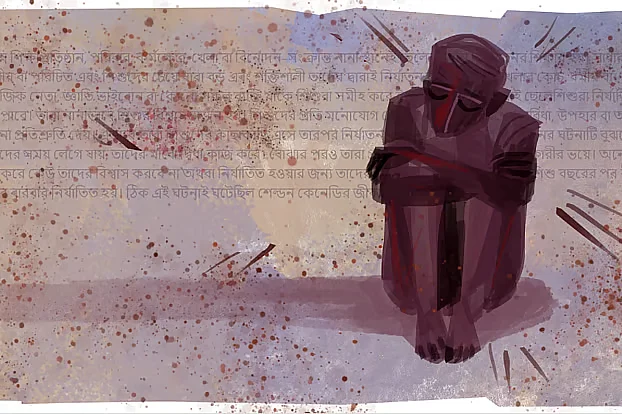
Reports of child abuse within madrasa institutions have prompted renewed calls for religious scholars and community leaders to address the issue directly rather than maintain a passive stance. Civil society organizations and child welfare advocates argue that the silence of influential Islamic scholars, known as ulema, on documented cases has allowed problematic practices to persist within some educational settings.
The allegations include physical punishment, inadequate living conditions, and insufficient oversight at certain madrasas, which serve as religious schools for thousands of children across South Asia. While many institutions operate with proper safeguards and qualified staff, others have faced criticism for lax accountability and weak complaint mechanisms.
Child protection experts contend that religious leaders hold considerable influence within their communities and are uniquely positioned to establish and enforce ethical standards. They argue that clearer guidance from respected ulema on child welfare and institutional accountability could help establish consistent protection protocols across madrasa networks.
Several regional governments have initiated inspections and regulatory frameworks for madrasas in recent years, though implementation remains inconsistent. Advocates emphasize that meaningful change requires both structural reforms and moral leadership from within the Islamic scholarly community to demonstrate that child protection is non-negotiable.
The issue remains sensitive within religious contexts, where discussions about institutional practices can be perceived as external interference. However, proponents of reform stress that protecting children aligns with Islamic principles and that addressing abuse strengthens rather than undermines faith-based institutions.