Culture & Entertainment · India Bureau
Religious Texts Spark Divergent Interpretations on Women's Roles
Scholarly debates over the treatment of ancient religious texts, from Hindu dharmaśāstra to Islamic jurisprudence, reveal how textual interpretation shapes contemporary discussions on gender roles across South Asia.
LSN India ·
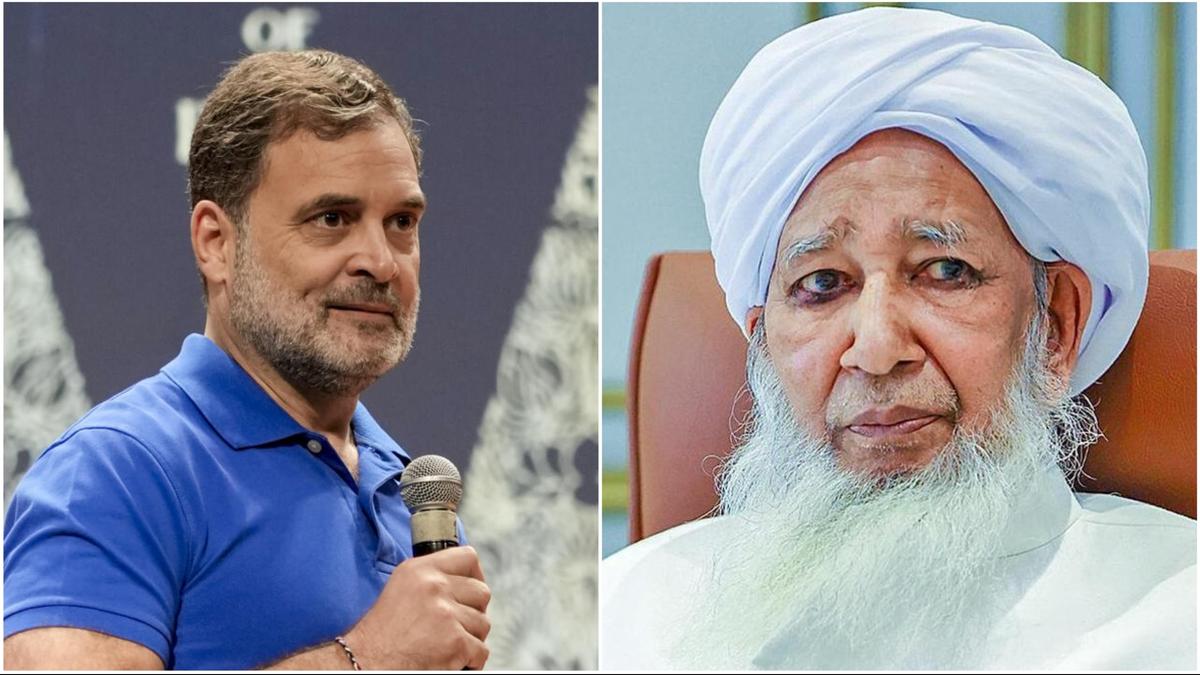
The question of how to read and understand foundational religious texts remains contentious across South Asia's diverse faith traditions. Interpretations of classical texts like the Manusmriti in Hindu philosophy and the Quran in Islamic tradition have long informed discussions about women's status, rights, and societal roles—with scholars and theologians frequently arriving at starkly different conclusions from the same source material.
These interpretive differences are not merely academic exercises. The way religious communities understand and apply ancient texts carries real consequences for contemporary policy debates, social movements, and individual lives. Some scholars argue that careful contextual reading reveals progressive elements in historical texts, while others contend that certain passages inherently reflect the patriarchal structures of their time and cannot be adapted to modern sensibilities without fundamental reinterpretation.
The challenge lies in determining appropriate methodologies for engaging with sacred texts. Traditionalist interpreters often emphasize textual fidelity and established exegetical traditions, while reform-minded scholars advocate for reading ancient works through modern ethical frameworks. These competing approaches have yielded parallel yet divergent understandings of what these texts prescribe regarding women's education, economic participation, and social autonomy.
Across India and the broader South Asian region, religious communities continue grappling with these questions as they seek to balance reverence for traditional texts with contemporary values. The outcome of these debates will likely shape not only religious practice but also broader conversations about women's rights and social justice in increasingly pluralistic societies.