Business · India Bureau
Relocation of livestock dump saves vultures from electrocution near Dehradun
A decade-long study reveals that moving a carcass disposal site away from power lines in Uttarakhand has significantly reduced vulture deaths from electrocution. The research underscores the importance of strategic waste management in protecting endangered bird populations.
LSN India ·
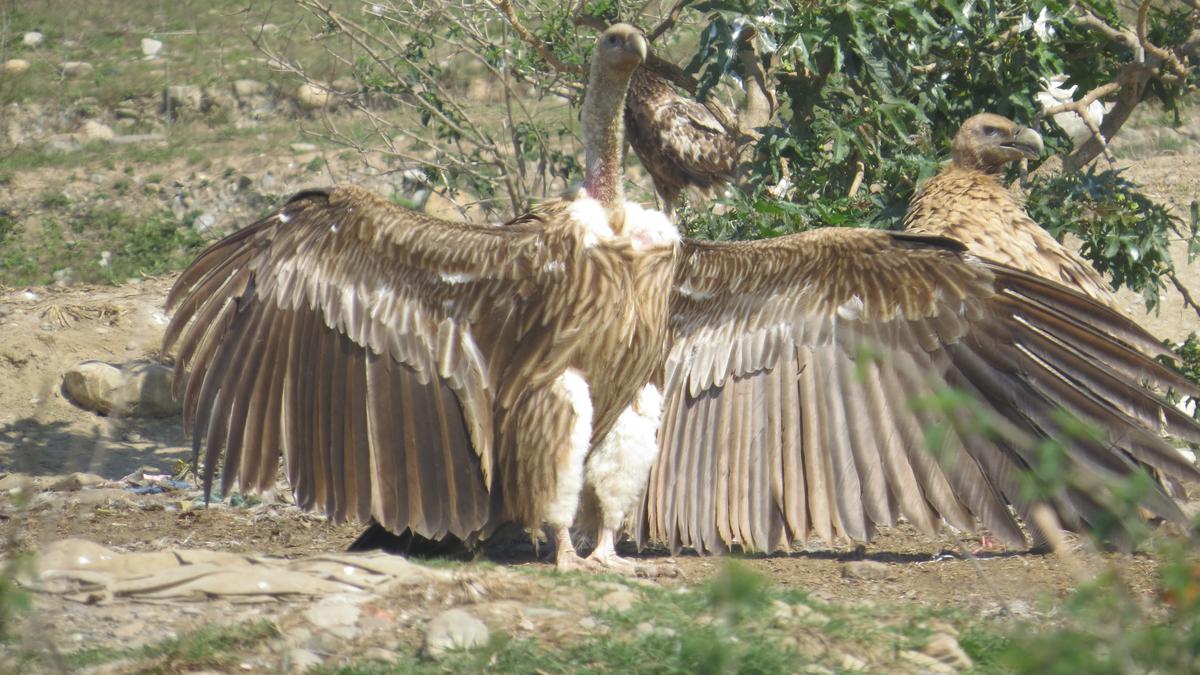
A long-term scientific study has demonstrated the life-saving impact of relocating a livestock carcass dump in Sudhauwala, near Dehradun, away from high-voltage power lines. The research, recently published in an academic journal, provides empirical evidence that the 2.4-kilometre separation between the new dump location and electrical infrastructure has effectively prevented electrocution deaths among the region's vulnerable vulture populations.
Vultures across South Asia have faced catastrophic population declines over the past two decades, with electrocution from power lines emerging as one of the leading causes of mortality alongside poisoning and habitat loss. The birds, which feed on livestock carcasses, frequently come into contact with electrical infrastructure while accessing food sources, often with fatal consequences.
The Sudhauwala relocation project addresses this critical conservation challenge by ensuring that carrion feeding grounds are positioned at a safe distance from power transmission lines. The study, which tracked mortality patterns over approximately ten years, found that vulture deaths from electrocution decreased substantially following the relocation of the disposal site.
Conservationists emphasize that the findings highlight the need for coordinated efforts between wildlife authorities and energy infrastructure operators to create safer environments for India's declining vulture populations. Similar mitigation strategies could be replicated in other regions where vultures remain at risk from electrical hazards.