World · India Bureau
Remote island reindeer herd's collapse offers ecological warning
A dramatic population boom among reindeer introduced to a remote Alaskan island in 1944 ended in total extinction within two decades, offering a cautionary tale about ecological imbalance and resource depletion.
LSN India ·
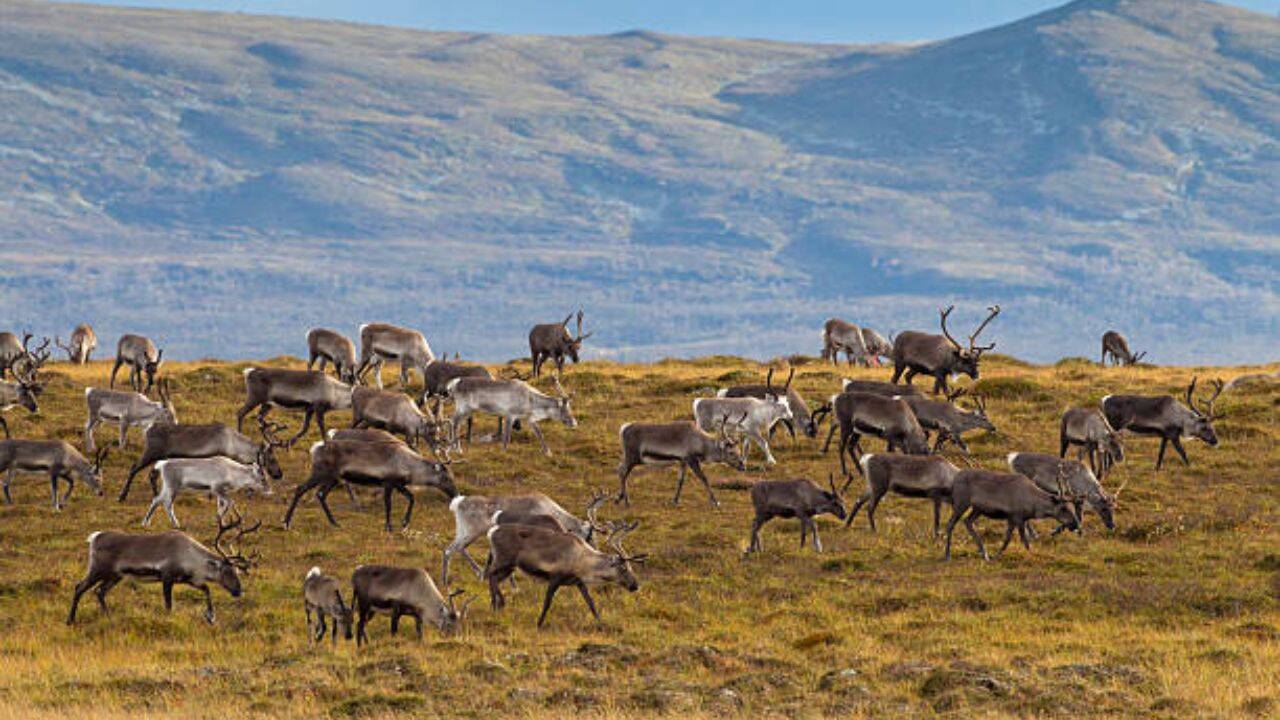
Twenty-nine reindeer were released on St. Matthew Island in Alaska in 1944 as part of an effort to establish a food source for potential human settlements in the region. Without natural predators to control their numbers, the herd grew exponentially, reaching over 6,000 animals by the early 1960s.
The explosive population growth came at a severe cost to the island's fragile ecosystem. The burgeoning reindeer population began consuming lichen at an unsustainable rate, the primary vegetation available on the barren landscape. As the animals grazed across the island, they systematically depleted their own food sources, leaving the terrain severely overgrazed and degraded.
The vulnerability of this ecological imbalance became apparent during the winter of 1963-1964, when the island was battered by extreme weather conditions. Devastating blizzards and unusually deep snow blanketed St. Matthew Island, making it impossible for the weakened reindeer population to access the already-scarce remaining vegetation beneath the snow cover.
With food supplies exhausted and winter conditions unrelenting, the consequences proved catastrophic. The entire reindeer population perished, leaving the island completely devoid of the animals that had once thrived there. The collapse serves as a stark reminder of how unchecked population growth can trigger environmental destruction and ultimate species failure in isolated ecosystems.