Culture & Entertainment · India Bureau
Report questions AI system role in Iran school strike that killed 150
An investigation into a US missile strike on an Iranian school has raised questions about the role of an artificial intelligence targeting system in the operation that resulted in over 150 deaths, including 123 children. The probe has identified significant gaps in intelligence assessment and civilian casualty evaluations.
LSN India ·
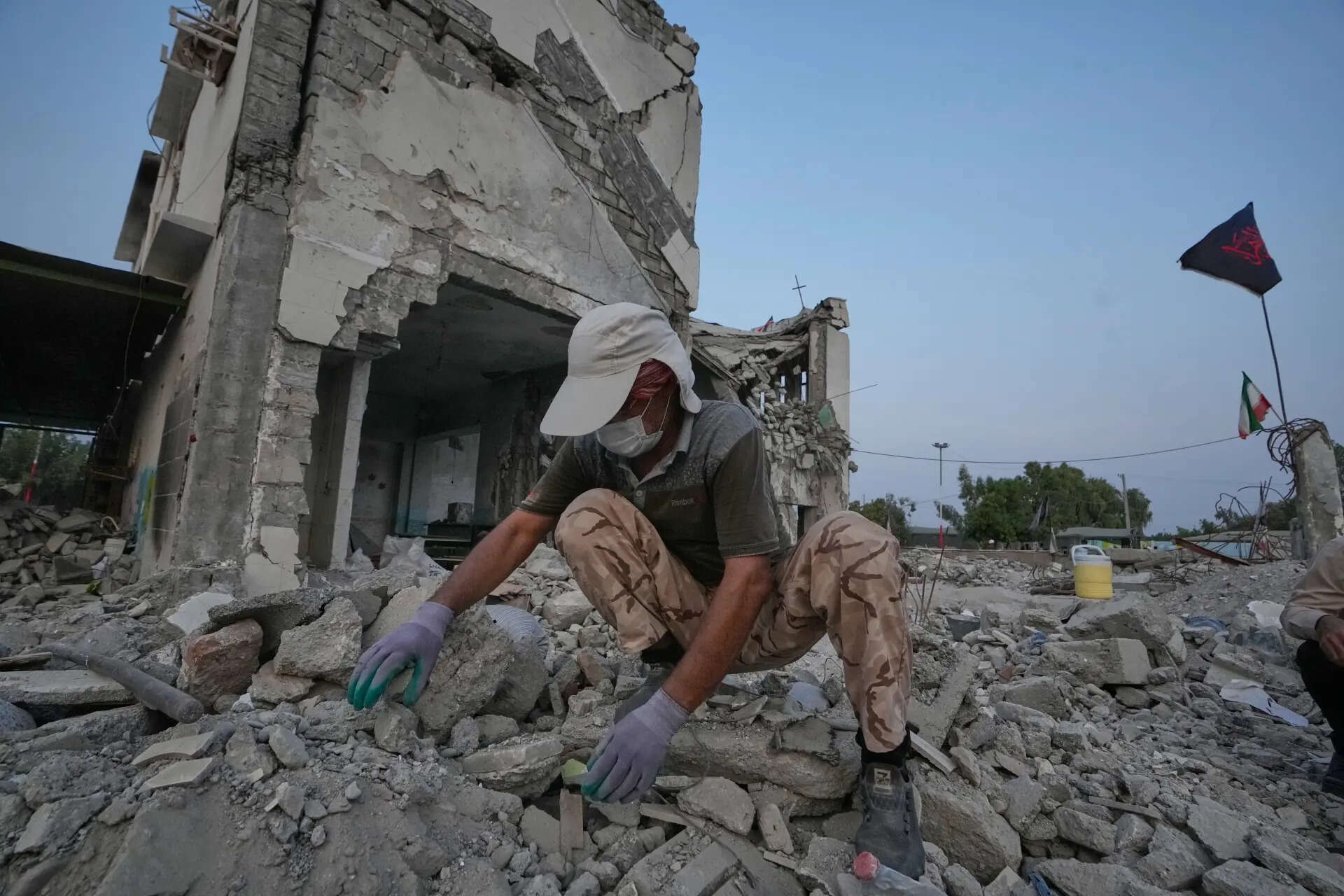
A comprehensive investigation into a devastating missile strike on a school in Minab, Iran, has uncovered critical lapses in military targeting procedures that may have contributed to the loss of more than 150 lives, including 123 children. The inquiry revealed that outdated intelligence assessments and inadequate civilian harm evaluations preceded the operation, raising serious questions about decision-making protocols.
Central to the investigation's findings is the role played by the Maven Smart System, an AI-powered platform used for target identification and assessment. The system's involvement in the targeting chain has drawn scrutiny from investigators examining whether automated processes contributed to the failure to identify the facility's civilian nature or to conduct thorough risk evaluations before the strike was authorised.
The report points to systemic weaknesses in how military intelligence was gathered, processed, and acted upon prior to the operation. Investigators found that crucial information about civilian presence at the facility either failed to reach decision-makers or was inadequately factored into the targeting assessment. The gaps identified span from initial intelligence collection through to final authorization stages.
The findings underscore broader international concerns about the integration of artificial intelligence systems into military decision-making processes, particularly regarding operations with potential civilian impact. The investigation suggests that despite technological advances, human oversight mechanisms and comprehensive civilian protection protocols remain essential components of any targeting process.