World · India Bureau
Researchers develop method to neutralise persistent water pollutants
Scientists at Yale University have identified a new approach to break down and remove PFAS compounds, a class of highly persistent chemicals contaminating water supplies globally. The discovery could offer significant implications for environmental remediation efforts.
LSN India ·
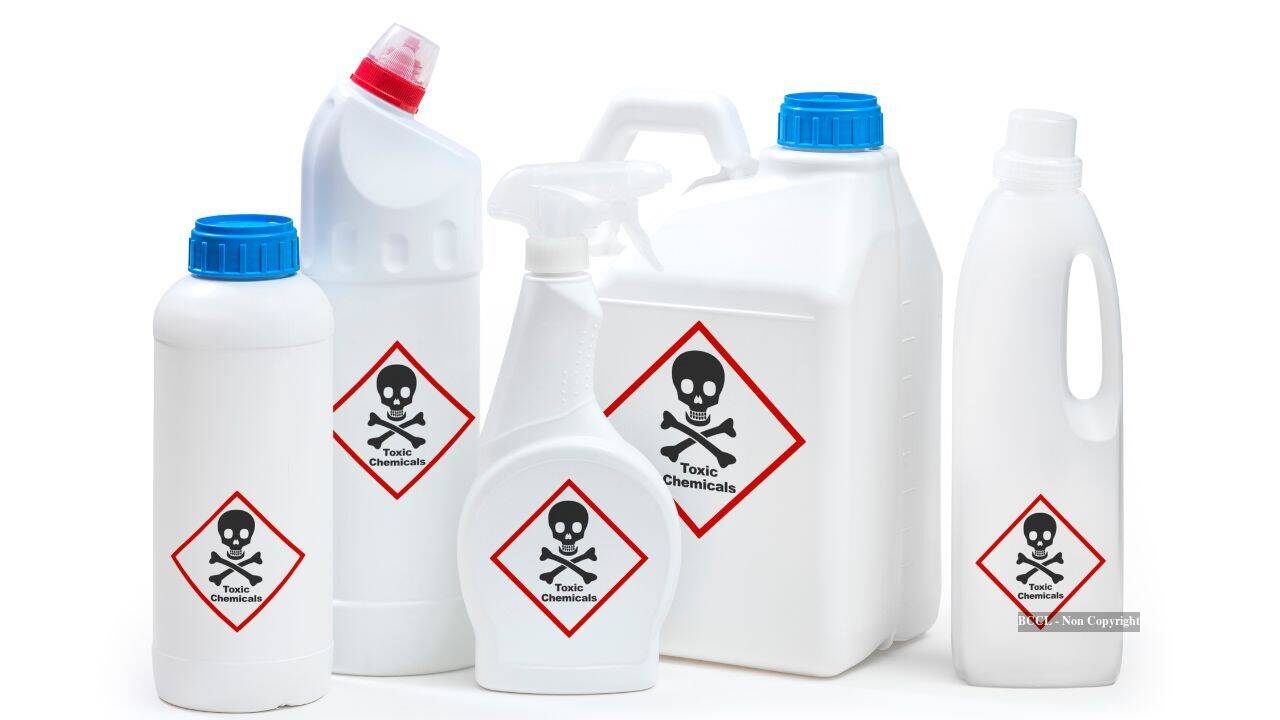
A team of researchers at Yale University has unveiled a novel technique for degrading PFAS (per- and polyfluoroalkyl substances), synthetic chemicals widely used in industrial applications and consumer products that have become a major environmental concern worldwide.
PFAS compounds, commonly found in firefighting foams, non-stick cookware coatings, and water-resistant textiles, are notorious for their resistance to degradation. Once released into the environment, these chemicals persist indefinitely in soil and water, earning them the designation "forever chemicals." Their widespread detection in drinking water supplies across multiple continents has prompted urgent research into remediation technologies.
The Yale research team has identified conditions that make PFAS molecules more susceptible to breakdown and removal processes. This advancement addresses a critical gap in current environmental remediation strategies, which have struggled to effectively neutralise these stubborn contaminants.
The findings are particularly significant for regions facing PFAS contamination in groundwater and surface water sources. By developing more efficient destruction pathways, the research could facilitate the development of practical treatment systems for contaminated water supplies.
PFAS contamination has emerged as a pressing public health issue globally, with detection in drinking water sources in numerous countries. The new approach may accelerate development of cost-effective decontamination technologies that communities can deploy to safeguard water resources.