World · India Bureau
Researchers Question Decades-Old Theory of Brain Evolution
Scientists are challenging a longstanding 70-year-old model of human brain development that has shaped understanding of intelligence and behavior. The new findings suggest the traditional 'reptilian brain' concept requires significant revision.
LSN India ·
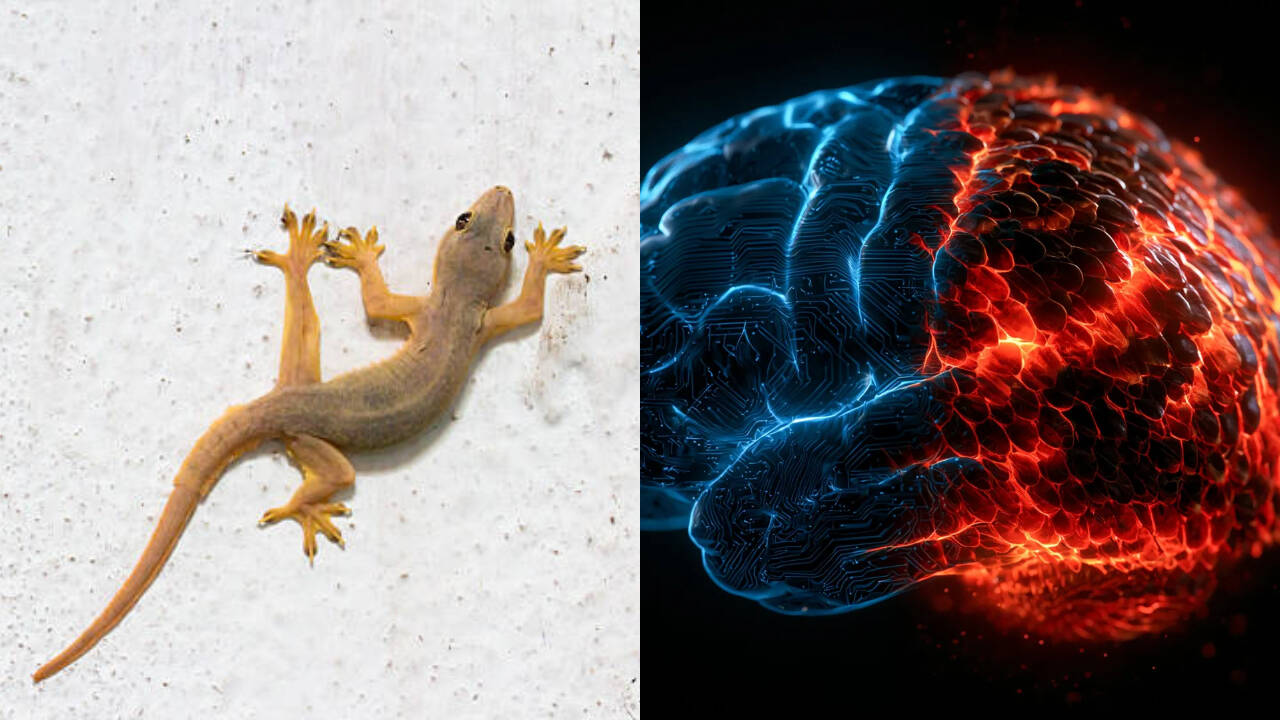
A growing body of research is casting doubt on the 'triune brain' theory, a framework developed seven decades ago that has dominated neuroscience education and popular understanding of how human intelligence evolved. The theory proposed that the human brain retained primitive structures from our reptilian ancestors, which supposedly controlled basic functions like aggression and survival instinct.
Contrary to this widely accepted model, contemporary neuroscientists argue that the brain's architecture and evolution are far more complex and interconnected than the layered structure previously described. Researchers point out that the rigid categorization of brain functions does not align with modern neuroimaging studies and our current understanding of neural connectivity.
The challenge to this established theory highlights how scientific understanding evolves as technology advances. Modern brain imaging techniques have revealed that cognitive functions once thought to originate from separate brain regions actually involve coordinated activity across multiple areas. This interconnected model better explains human behavior and decision-making processes.
The revision of this foundational concept has implications for how educators teach neuroscience and how the public understands intelligence and human nature. While the traditional theory has influenced psychology, education, and even business management practices, scientists are now advocating for updated frameworks that reflect contemporary research findings.