World · India Bureau
Reservation row intensifies ahead of polls in key Indian states
The contentious issue of caste-based reservations has become a flashpoint in electoral battlegrounds across India, particularly Uttar Pradesh, forcing the ruling BJP to navigate competing demands from upper castes and opposition parties. The party faces mounting pressure as it seeks to balance appeals to different voter groups ahead of crucial state elections.
LSN India ·
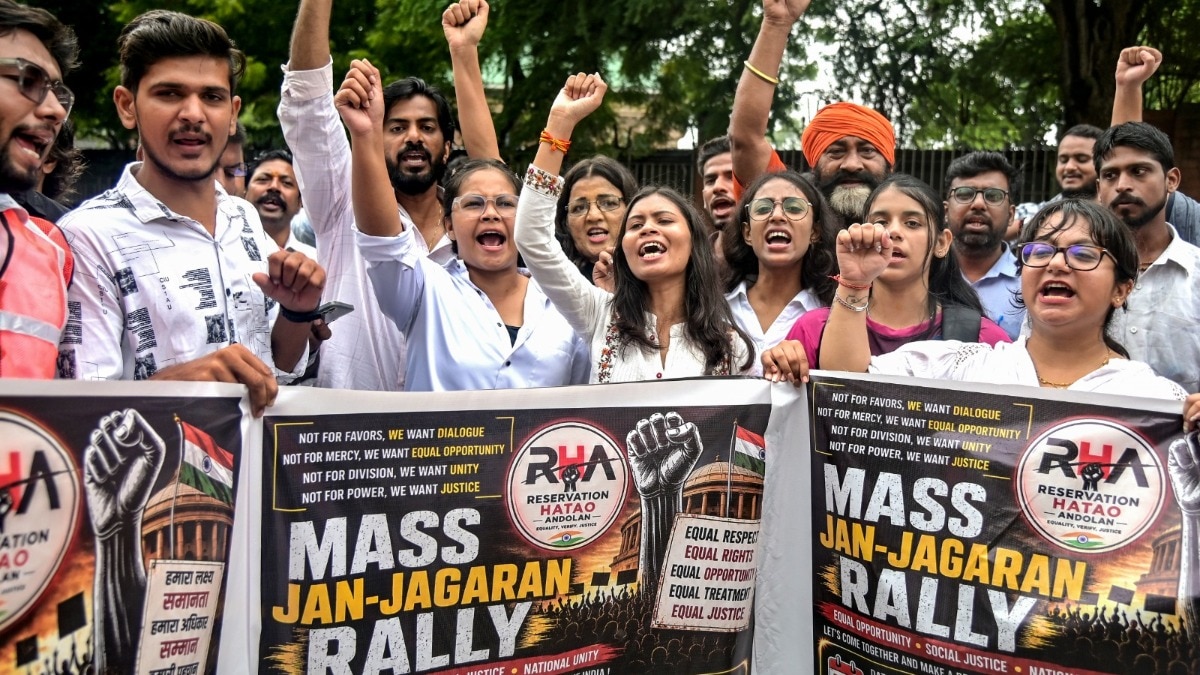
Caste-based reservations and identity politics have emerged as dominant themes in the political landscape of several Indian states preparing for elections, complicating the governing party's electoral strategy. Upper caste demonstrations and aggressive opposition attacks have placed the BJP in a precarious position, forcing it to address contentious social fault lines while maintaining its broader electoral coalition.
The reservation debate has gained particular traction in Uttar Pradesh and other election-bound states, where the issue intersects with anxieties about job opportunities and educational access. Upper caste groups have intensified mobilization efforts, demanding protections against perceived disadvantages stemming from existing reservation policies, while opposition parties have mounted attacks on the government's handling of the matter.
For the BJP, the situation presents a formidable dual challenge: appealing to upper caste voters concerned about reservations while retaining support among backward classes and marginalized communities who benefit from current quotas. The party's traditional social coalition faces strain as competing interests demand contradictory policy positions and political messaging.
Political analysts note that the intensification of reservation-related discourse weeks before elections reflects deeper tensions within Indian society regarding resource distribution and social equity. How the ruling dispensation navigates these competing pressures may significantly influence electoral outcomes in the affected states, with broader implications for national politics.