World · India Bureau
Resilient coral ecosystems flourish at former nuclear test site
Marine life has made a remarkable recovery at Bikini Atoll in the Pacific, where the United States conducted 23 nuclear weapons tests during the Cold War. Scientists have documented thriving coral colonies in waters once devastated by atomic detonations.
LSN India ·
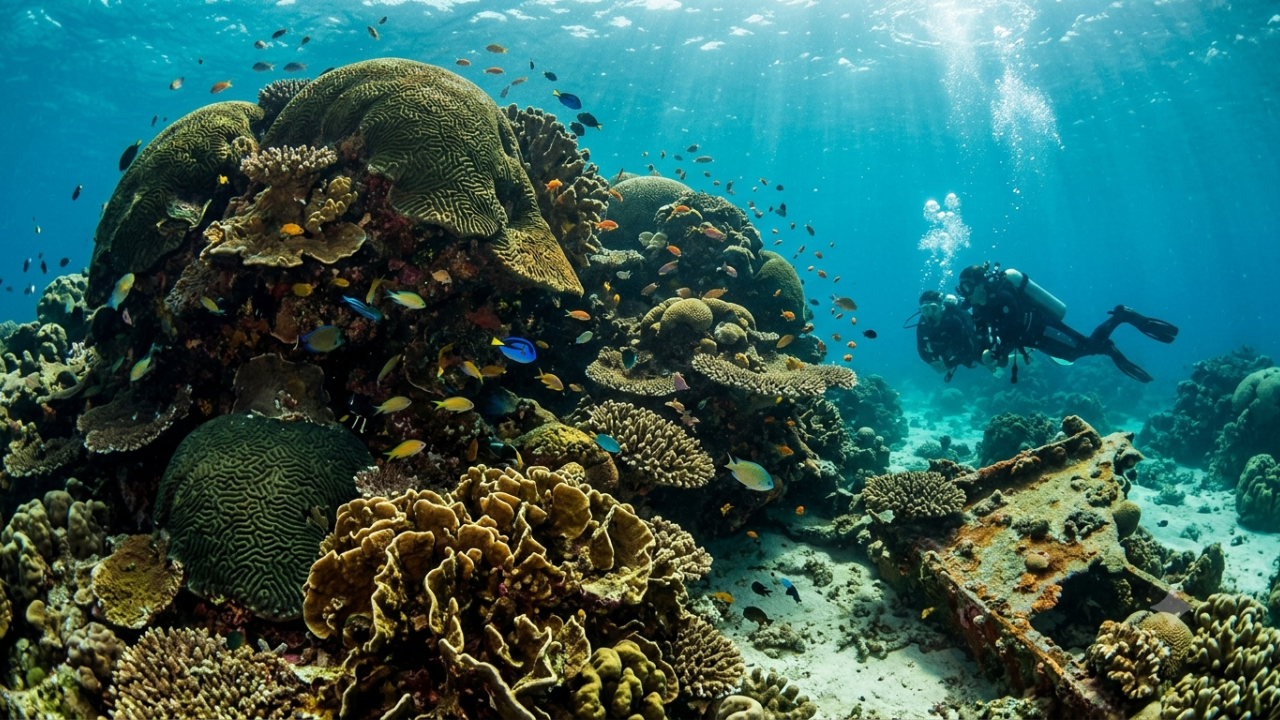
Researchers studying the Bikini Atoll have discovered flourishing coral reef systems in areas subjected to intense nuclear testing between 1946 and 1958, offering unexpected insights into nature's capacity for recovery. The findings suggest that despite the severe environmental damage inflicted by the weapons tests, marine ecosystems possess greater resilience than previously understood.
The atoll, located in the Marshall Islands, became a testing ground for American nuclear weapons during the early Cold War period. The 23 detonations, including the powerful thermonuclear tests, caused immediate and widespread destruction to the surrounding marine environment, displacing local populations and contaminating vast ocean areas.
Scientific surveys conducted in recent years reveal that coral colonies have not only survived but are actively growing in the crater zones and surrounding waters. The corals appear to have adapted to the transformed underwater landscape, establishing new reef structures and supporting diverse marine populations.
The recovery at Bikini Atoll demonstrates the ocean's biological capacity to heal following catastrophic disturbance, though experts caution that the site remains affected by residual radiation and chemical contamination. The findings have prompted renewed discussions about marine conservation and the long-term environmental impacts of nuclear weapons testing in the Pacific region.